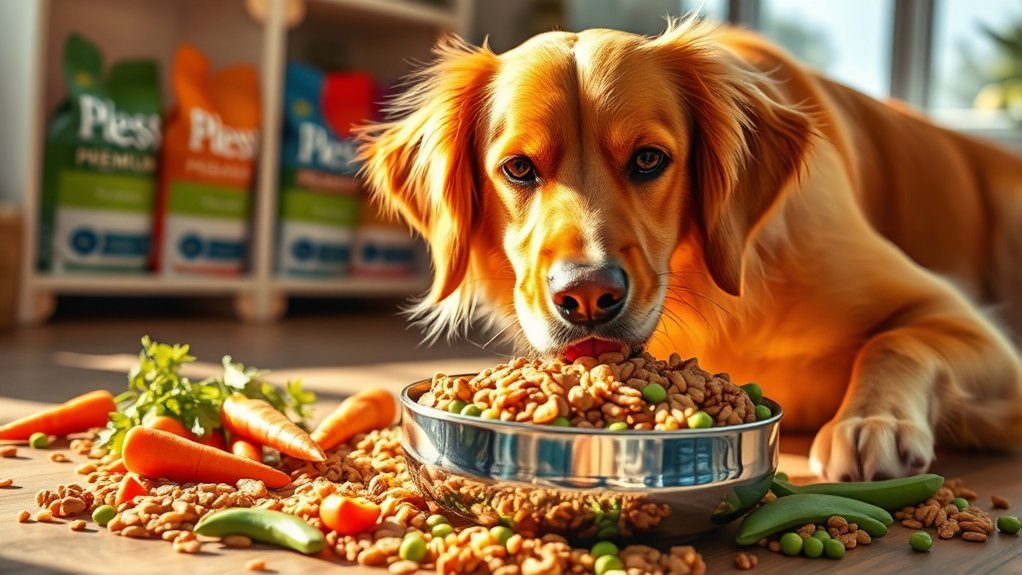
8 Things to Know About Feeding Your Dog Right
Feeding your dog the right way is very important for their health and happiness. Each dog is different and has its own needs depending on its breed, size, and age. A good diet can make a big difference in how they feel and live.
To get started, learn about the types of dog food available. Focus on the ingredients that really matter. Knowing these basics helps you make smart choices for your dog's health.
Pick high-quality food to give your dog the right nutrients. Look for options with real meat, vegetables, and grains. Avoid fillers and artificial ingredients. Regularly check with your vet to see if your dog's diet fits their needs.
When feeding your dog, also pay attention to portions. Too much food can lead to weight gain, while too little can cause health issues. Measure their food and follow the recommended serving sizes on the package as a guide.
Lastly, always keep fresh water available. Hydration is key for your dog's well-being. With the right food and care, your dog can live a happy and healthy life!
Key Takeaways
- Know your dog's age: Puppies need lots of protein, adult dogs need a good balance, and senior dogs should eat lighter, easy-to-digest food.
- Pick dog food that meets AAFCO standards. This means it has the right nutrients for your dog's needs.
- Check the ingredient label. Look for real food and avoid things like fillers, artificial colors, and unclear terms such as "meat by-product."
- Measure the right portion sizes based on your dog's weight and how active they are. Feed them at the same times each day to help keep them healthy.
- Watch for signs of food allergies. Keep treats to 10% of their daily food to help them stay a healthy weight.
Understanding Your Dog's Nutritional Needs
To help your dog live a healthy and happy life, it's important to know what they need to eat. Each dog has different dietary needs based on their breed, size, and age.
Puppies need a lot of protein and calories because they're growing fast. Adult dogs require a good balance of proteins, fats, and carbohydrates to stay healthy.
Older dogs might need food that's lower in calories and easy to digest because their bodies change over time.
It's important to check your dog's stage of life and how active they are. This way, you can make sure they get the right nutrients.
Choosing the Right Type of Dog Food
Choosing the right dog food is important for your pet's health. Here are some easy tips to help you pick the best food:
- Nutritional needs: Make sure the food meets AAFCO standards for your dog.
- Brand research: Look up different brands to see their quality and reputation.
- Quality ingredients: Choose brands that use high-quality ingredients from trustworthy sources.
Think about your dog's age, size, and how active they're when picking food. Some dogs do better on grain-free diets, while others like food with whole grains.
Reading Ingredient Labels
How can you make sure the dog food you pick is good for your pet? Start by looking at the labels. The ingredient list is super important. You want to see real ingredients like meat, vegetables, and grains at the top. These should be the main parts of the food.
Try to stay away from vague words like "meat by-product" or fillers like corn and soy. These can mean the food isn't great quality. Watch out for artificial colors and preservatives too; they might hurt your dog's health.
Also, check for AAFCO statements. These show that the food is nutritionally balanced. By doing this, you help your furry friend get the nutrition they need.
Plus, you join a community that cares about pet health. Remember, happy pets start with good food!
Determining Proper Portion Sizes
After picking good ingredients for your dog's food, the next step is to find the right portion size. This is very important for keeping your dog healthy and fit.
Here are a few things to think about:
- Your dog's weight
- How active your dog is
- The calories your dog's breed needs
- Using scoopers or cups to measure food accurately
Always ask your vet for advice. They can help you find the best portion size for your dog's needs.
Keep an eye on your dog's weight and body condition to ensure they're healthy. The right portion size will make your dog happy and full of energy. It also helps strengthen the bond between you and your furry friend!
Establishing a Feeding Schedule
Creating a regular feeding schedule for your dog is important for their health and happiness. Choose meal times that work for you, and try to feed your dog at the same times every day.
For adult dogs, aim for at least two meals a day to keep their eating habits steady and to stop them from eating too much. Puppies need to eat more often, so adjust their meals based on what they need.
Having a feeding routine helps your dog's tummy feel good and can ease their worries. It makes them feel safe because they know when to expect their food.
This certainty helps build trust between you and your furry friend. Remember, being consistent is very important. Stick to your feeding schedule as much as you can for the best health results for your dog.
Incorporating Treats Responsibly
Giving your dog treats can be fun, but it's important to do it the right way to keep them healthy. Here are some simple tips to help you treat your furry friend responsibly:
- Choose Good Treats: Pick treats that are healthy and good for your dog's diet. Look for tasty options that make them happy and are good for them too.
- Use Treats Wisely: Give treats at the right times, like when you're training your dog. This helps them learn and builds a strong bond between you two.
- Don't Overdo It: Keep track of how many treats you give. Treats shouldn't be more than 10% of your dog's daily food. This helps prevent weight gain and keeps them fit.
Staying Aware of Food Allergies and Sensitivities
When choosing treats for your dog, think about what they eat every day. Some dogs may have allergies or sensitivities to common foods like wheat, soy, dairy, and certain proteins.
Watch for signs that your dog might be having a reaction, like itching, upset stomach, or changes in behavior.
If you see your dog scratching a lot or having tummy troubles, it's a good idea to take a closer look at their food. Keep a record of what they eat. This can help you find out what might be causing the problems, so you can give your dog the best food for their needs.
By paying attention to what your dog eats, you help keep them healthy and happy. A good diet can make a big difference in how your dog feels every day.
Your care can help them live their best life!
Consulting Your Veterinarian
Talking to your veterinarian is important to make sure your dog gets the right food. A vet can give you advice based on your dog's age, breed, how much they move, and any health issues they might have. This helps you choose the best diet for their growth and energy.
Here are some things your vet can help you with:
- Find out if your dog has food allergies or sensitivities.
- Choose the right food for your dog's life stage.
- Learn about how much food to give to keep your dog at a healthy weight.
Your vet can also guide you through the many dog foods and supplements out there.
Working closely with your veterinarian helps create a strong support system for your dog's health, so they can thrive on a diet that's just right for them.
Frequently Asked Questions
Can I Feed My Dog Table Scraps Occasionally?
Yes, you can give your dog table scraps now and then. Just make sure to watch the amount you give. Check that the scraps are safe for dogs. Avoid foods that can harm your pup. This way, your dog stays healthy and happy.
What Human Foods Are Toxic to Dogs?
Some human foods can be very bad for dogs. For instance, grapes can make dogs' kidneys stop working. Chocolate is also harmful because it has a substance called theobromine that dogs can't handle. It's important to keep these foods away from dogs to keep them safe and healthy. Always watch what they eat!
How Can I Tell if My Dog Is Overweight?
To know if your dog is overweight, you can check their body condition. Here's how:
- Feel their ribs: You should be able to feel their ribs without pushing too hard. If you can't feel them, your dog might have excess fat.
- Look at their waist: Stand behind your dog. If you can see a little waistline, that's a good sign. If the waist is not visible, it could mean your dog is overweight.
- Check their belly: When you look from the side, their belly should tuck up a bit. If it hangs down, your dog may need to lose weight.
Being overweight can make your dog sick. It can lead to problems like diabetes and joint pain.
Take your dog to the vet for regular check-ups. The vet can help you understand your dog's weight and give advice on how to keep them healthy.
Is a Raw Food Diet Safe for Dogs?
A raw food diet can help your dog have a shinier coat and help them digest food better. But it also has some risks. You need to make sure your dog gets all the nutrients they need. You should also watch out for bad bacteria that can make your dog sick. It's important to keep your dog safe while trying this diet.
Should I Switch Foods Frequently for Variety?
Switching foods for variety is good for your dog. It can help keep their tummy healthy. When you change their food, do it slowly. This way, they won't get a stomach ache. Plus, new foods can make mealtime more fun and exciting for your pup!