
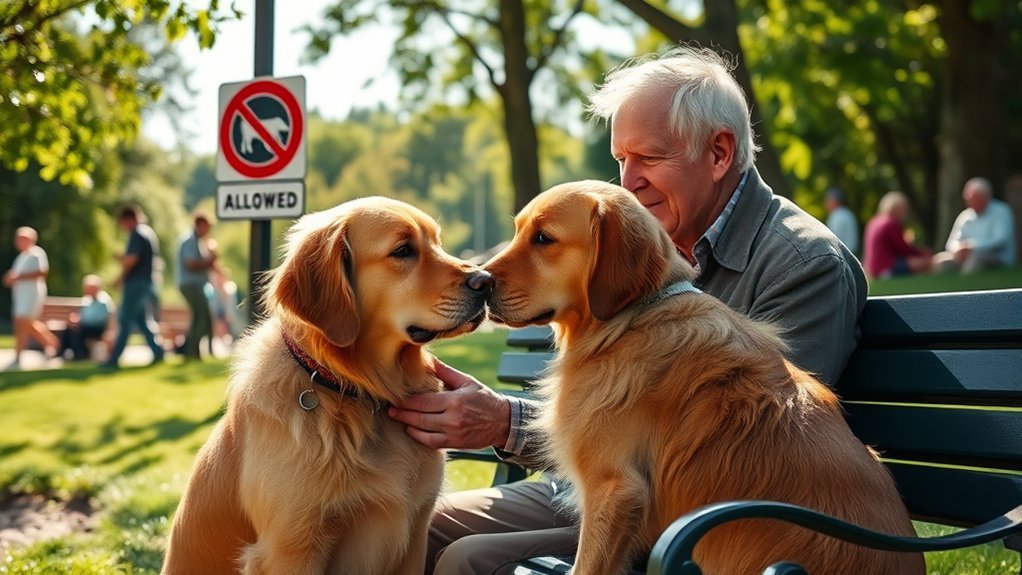
Should Dogs Be Kept as Pets? The Ethical Debate
Should We Keep Dogs as Pets? Let's Talk About It
When we think about having dogs as pets, we need to look at both the good and the bad. Dogs can be great friends. They show us love and loyalty. But, there are important issues we should think about too.
One big concern is how dogs are bred. Some breeding methods can cause health problems for dogs. We also need to think about how we care for them. Dogs are living beings, not toys. They have feelings and needs.
So, what should we keep in mind when deciding to have a dog? It's important to consider their well-being. We want to make sure they are happy and healthy. We should know what it means to be a responsible pet owner. This way, we can enjoy the special bond we have with dogs while also giving them a good life.
Key Takeaways
Dogs make great pets. They give us love, joy, and friendship. Having a dog can make us feel happy and cared for.
Good breeding helps dogs stay healthy and strong. It's important to look after their health and make sure they have different genes. This way, they can lead healthy lives.
Owning a dog takes time and money. You need to feed them, train them, and give them attention. It's a big responsibility, but it's worth it.
When we take care of our dogs well, they are happy and we are happy too. We respect what they need, and they show us love in return.
Dogs have been our friends for many years. They fit well into our lives and homes. Having a dog around can make life better.
The Historical Relationship Between Humans and Dogs
Humans and dogs have been friends for a long time. About 15,000 years ago, people started to domesticate wolves. This change helped create strong bonds that were good for both humans and dogs.
Early humans saw that working together was important for survival. These friendships grew into special partnerships that are still valued today.
Dogs have played many roles in human life. They've helped us hunt and guard our homes. Because of this long history, the way we understand each other has changed. Our connection with dogs is deep and meaningful, shaping how we care for them and interact with them.
Remembering this history can help us appreciate our dogs more. They aren't just pets; they're part of a larger story of friendship that has been written over thousands of years.
The Benefits of Canine Companionship
Life can be stressful and full of surprises, but having a dog can make things better. Dogs are great friends that add joy to our lives. They don't just play with us; they also help us feel less lonely and anxious. The love from a dog makes us feel accepted and valued, which is really important during tough times.
Spending time with a dog encourages us to be more active. We go for walks, play fetch, or even just run around the yard. This keeps our bodies healthy and lifts our spirits. The bond we form with our furry friends helps us feel stronger emotionally, too.
In short, having a dog as a companion improves our lives. They give us friendship, love, and a reason to smile every day.
Whether we're at home or out in the park, dogs make every moment feel special.
Ethical Considerations in Dog Breeding
Thinking about getting a dog? It's important to think about how dogs are bred. Breeders often focus on getting specific looks or traits, but this can cause health problems. When breeders pick certain traits, it can make dogs more likely to get sick because there's less variety in their genes.
When choosing a breeder, make sure they care about the health of their dogs. They shouldn't just focus on how the dog looks or fitting breed standards.
Choosing breeders who care about genetic diversity and health is good for both you and your future dog. It helps keep dogs healthier and stronger. Your choice matters a lot for the well-being of dogs in your area.
The Impact of Domestication on Dog Behavior
Breeding affects both the health and behavior of dogs. Domestication has changed how dogs act around people. Some dog breeds are more attached to their owners, while others are better at protecting them. These behaviors come from breeding dogs to show certain traits.
When we understand how breeding impacts behavior, we can appreciate how unique each dog is.
It's important to teach our dogs good behaviors while also respecting their natural instincts. This helps us build a strong bond with them.
Knowing how breeding affects dogs leads to a happier and healthier relationship with our furry friends.
Autonomy and Welfare of Pet Dogs
Understanding pet dogs is important to keep them happy and healthy. Dogs need freedom to show their natural behaviors and make choices in their lives.
It's crucial to create a safe environment where they can feel good both physically and emotionally. When dogs don't have this freedom, they can become stressed and anxious, which may lead to bad behavior.
Giving your dog choices helps improve their life. For example, let them decide when to play or where to nap. This shows you care about their feelings and needs. When you focus on their well-being, your bond grows stronger.
You both enjoy your time together more.
In short, letting your dog have some autonomy makes them happier and strengthens your friendship. Your dog will appreciate the respect, and you'll love the fun moments you share.
The Responsibilities of Dog Ownership
Owning a dog is a fun and rewarding experience, but it also comes with important responsibilities. Being a good dog owner means paying attention to certain key things:
- Time: Dogs need daily exercise and playtime. Spend time with your dog every day. This helps them feel happy and loved.
- Money: Dogs cost money. You need to buy food, grooming items, and vet care. Be ready for unexpected expenses, too. It's smart to plan your budget carefully.
- Training: Teach your dog basic commands, like "sit" and "stay." Training helps keep your dog safe and builds a strong bond between you two.
Alternative Perspectives on Human-Animal Relationships
Many people see dogs as just pets. But our connection with animals can be much more. Different cultures and traditions shape how we feel about dogs. For a long time, dogs have been our companions. They help us feel less lonely and bring joy to our lives.
However, when we talk about animal rights, we notice not everyone agrees on how to treat dogs. Some people believe dogs should be seen as equals, with their own rights and choices. Looking at dogs this way can change how we understand our bond with them.
Seeing dogs in different lights can help us appreciate them even more. It encourages us to think about what it means to be a friend to an animal. This broader view can make our relationships with dogs more meaningful and respectful.
Frequently Asked Questions
What Is the Average Lifespan of a Pet Dog?
The average lifespan of a dog is typically between 10 and 15 years. This can change based on the dog's breed and health. Knowing these details helps you prepare for your dog's needs as they age. It ensures you give them love and care throughout their life, keeping your friendship strong and happy.
How Do Allergies Affect Dog Ownership Decisions?
Allergies can have a big impact on your decision to get a dog. If you or someone in your family has allergies, you might want to look into how to manage those allergies. You may also think about getting a hypoallergenic dog breed. These breeds are known to cause fewer allergic reactions.
Understanding how allergies affect you and your family helps you make better choices about dog ownership. You want to make sure everyone can live happily together. By gathering this information, you can find the right furry friend for your home.
What Breeds Are Best for Families With Young Children?
When picking a dog for your family, consider getting a golden retriever, a labrador, or a beagle. These breeds are friendly and great with kids. They are patient and gentle, which helps keep children safe. Having a family dog can create special moments and memories together. It's a wonderful way to bring joy to your home!
Are There Specific Laws Regarding Dog Ownership in Different Regions?
If you want to own a dog, it's really important to know the laws in your area. Different places can have different rules. Some places require you to keep your dog on a leash when you go outside. Others might have rules about certain dog breeds or need you to get a license for your dog.
Always check the rules where you live. This way, you can be a responsible dog owner and keep your furry friend safe! Remember, knowing the laws can help you enjoy your time with your dog even more.
How Can I Find a Reputable Dog Breeder or Rescue?
To find a good dog breeder or rescue, start by looking into their backgrounds. Check if they have any certifications. You can also search for local rescue groups. Read reviews from other people and ask dog owners you know for their recommendations. This will help you make sure you choose a responsible place to adopt your new furry friend.


