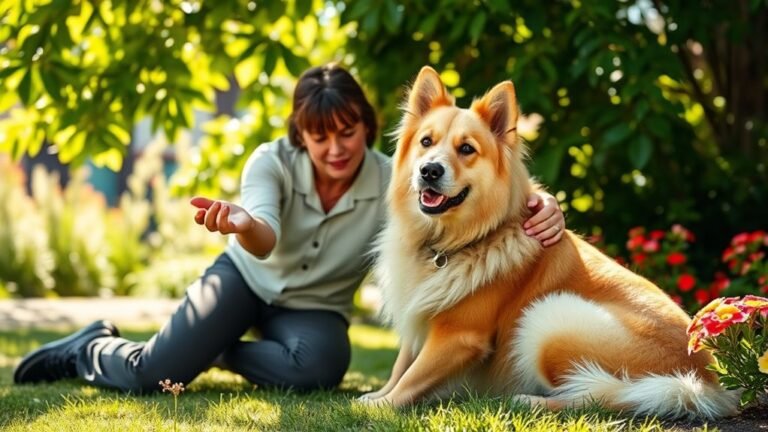
Symptoms of Dog Depression and How to Help
Dog depression can really affect your pet's happiness. You might see signs like not wanting to play, sleeping a lot, or eating less. Knowing these signs is key. It helps you understand when your dog might need some extra love and care. Helping a sad dog can make a big difference in their life. But figuring out how to help can be tricky.
Let's look at the signs, reasons, and some simple ways to cheer up your furry friend. If your dog seems sad, don't worry! There are many things you can do to help them feel better.
Key Takeaways
Signs of dog depression can show up in different ways. Your dog might not want to play anymore, sleep a lot, or eat less or more than usual. You might notice they act differently around other dogs and people.
Sometimes, big changes can make dogs feel sad. This could be things like moving to a new place or losing a friend. These changes can shake up their routine and make them feel unsure.
To help your dog feel better, try to keep a regular schedule. Routine can be comforting for them. Gentle activities like short walks or play can also help lift their spirits.
Using treats and praise when they do something good can boost their confidence. Encourage them to interact with other friendly pets and people to help them feel more secure and happy.
If your dog seems tired all the time, eats very little or a lot, or behaves oddly, it's a good idea to talk to a vet. They can help find out what's going on and suggest ways to help your furry friend feel better.
Understanding Dog Depression: What It Is and Its Impact
Understanding dog depression is about knowing what it looks like and how it can affect your dog's happiness. When dogs feel sad, their behavior can change. They may not want to play or spend time with you. They might eat less or sleep more. If you see these signs, it's important to pay attention. Your dog might be feeling down.
Sometimes, it's easy to overlook these feelings because we focus on how healthy our dog looks on the outside. But just like us, dogs can have mental health struggles. This can make them feel worse over time if we don't help them.
You can make your dog feel better by creating a happy and safe space for them at home. Spend time with your furry friend, and show them you care. Your relationship with your dog is special, and being supportive during tough times can help them feel joyful again.
Make sure to keep their well-being in mind. After all, you're on this journey together!
Common Symptoms of Dog Depression
It's important to spot signs of dog depression so you can help your furry friend. One big sign is if your dog stops enjoying things they used to love, like playing fetch or going for walks. You might notice them hiding away more and not wanting to play with you or other pets.
Another sign is if your dog sleeps a lot more than normal. If they're snoozing all day, it could mean they're feeling sad.
Changes in appetite are also important to watch. If your dog isn't eating as much, or if they start eating a lot more than usual, that could show they're feeling down.
By keeping an eye on these signs, you can take steps to help your dog feel better and make your bond stronger.
Your dog relies on you for love and care, so noticing these changes is a great way to support their happiness!
Potential Causes of Dog Depression
Dog depression can happen for many reasons. It's important to know what might be causing your pet's sadness so you can help them feel better.
Big changes in life, like moving to a new house or losing someone in the family, can make dogs feel upset. These changes can confuse them and make them anxious.
Other things, like not having enough friends to play with, not getting enough fun activities, or living in a place where things are unstable, can also make a dog feel down.
If your daily routine changes, like if you start working longer hours, it can make your dog feel insecure.
Recognizing these situations can help you give your dog the care and comfort they need. By understanding what makes your dog unhappy, you can help them feel secure and loved again.
How to Support a Depressed Dog
Supporting a sad dog takes thought and care. Here are some easy steps to help your furry friend feel better.
First, make a regular daily routine. This helps your dog feel secure and know what to expect.
Next, take your dog on short, gentle walks. Play with them using their favorite toys. Positive reinforcement is important too. Give your dog treats or praise when they behave well. This boosts their confidence and brings back some normalcy.
Social time matters! Set up playdates with other friendly dogs. Spend quality time with your dog. Show them love and attention.
Don't forget their food! Make sure your dog eats healthy meals. Good nutrition can really change their mood for the better.
Most importantly, be patient. Your steady support helps your dog heal over time.
With love and care, they'll start to feel happy again.
Professional Help: When to Seek a Veterinarian's Advice
If your dog seems sad and doesn't get better with your care, it's a good idea to talk to a vet. The vet can look at your dog and suggest ways to help, like behavioral therapy.
Here are some signs that mean you should reach out for help:
- Your dog eats less or gains/loses weight.
- Your dog is tired and doesn't want to play.
- Your dog acts aggressive or avoids spending time with you.
- Your dog barks too much or breaks things.
These signs might mean your dog needs more help. A vet can find out what's going on and work with you to create a plan to help your dog feel better.
Preventative Measures to Promote Your Dog's Mental Well-being
To help your dog stay happy and healthy, it's important to add some simple habits to their daily routine. Consistent playtime is key. Playing fetch, doing agility exercises, or using puzzle toys can keep your dog active and their mind sharp.
Make sure your dog has plenty of chances to socialize too. Setting up playdates with other dogs or visiting the dog park can help them feel less lonely.
Training sessions aren't just for learning; they can also strengthen your bond and keep your dog's mind engaged.
A happy dog needs a good mix of playing, thinking, and socializing. By creating a loving and interactive home, you can help your furry friend feel safe and content, leading to a joyful life together.
Frequently Asked Questions
Can Dog Depression Be Mistaken for Other Health Issues?
Yes, dog depression can look like other health problems, such as pain or sickness. It's important to have a vet check your dog, especially if you see changes in their behavior that worry you. Your dog's health and happiness are what matter most!
How Long Does Dog Depression Typically Last?
Dog depression can last different amounts of time. How long it lasts depends on what is causing it and how your dog reacts to any help they get. Pay attention to your dog's signs of feeling better. These signs can show that your dog is improving and give you hope. Remember to be patient and loving during this time.
Are Certain Breeds More Prone to Depression?
Some dog breeds can be more likely to feel sad or depressed. This can happen because of where they come from or the place they live now. Knowing your dog's history and home environment can help you support them better. Creating a loving space can boost their mood and strengthen your bond with them.
Can Diet Affect a Dog's Mental Health?
Yes, what your dog eats can affect how they feel. Good food and special vitamins can help improve your dog's mood and brain function. When you give your dog balanced meals, you help them feel happy and safe. A healthy diet supports their emotional well-being, just like it supports their physical health.
Is Medication an Option for Treating Dog Depression?
Yes, medication can help treat dog depression. Your vet might suggest anti-anxiety medicine to improve your dog's mood. Using these meds with behavior therapy can also be helpful. Talk to your vet to find the best plan for your furry friend.