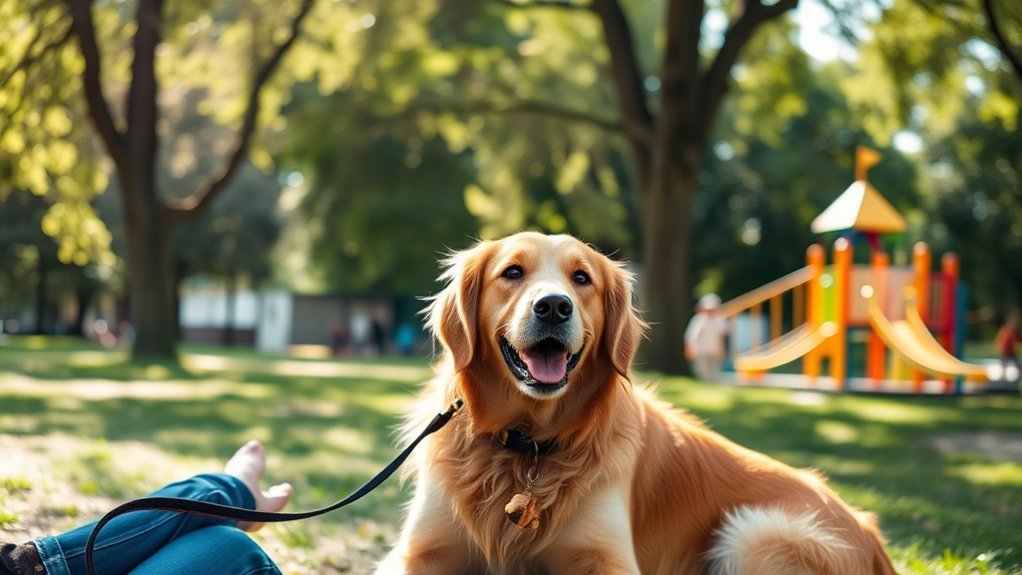
How to Stop Your Dog From Leash Pulling
If your dog pulls on the leash, walks can feel like a race rather than a fun time. The first step to fixing this is knowing why your dog pulls. By using some simple methods, you can teach your dog to walk calmly next to you.
Let's look at some easy ways to make your walks better. These tips will help you enjoy your time outside and make your bond with your dog even stronger.
- Use the Right Gear: A good harness can help. It gives you control without hurting your dog.
- Teach a Cue: Choose a word like "easy" or "slow." Use it when your dog pulls and reward them when they stop pulling.
- Stop and Start: If your dog pulls, stop walking. Wait until they come back or stop pulling, then continue walking.
- Reward Good Behavior: Give treats or praise when your dog walks beside you. It helps them connect good things with walking calmly.
- Practice Often: Keep practicing these tips on short walks. It's easier to learn on shorter trips.
With these tips, your walks can become a fun time for both of you!
Key Takeaways
- Use a front-clip harness. This helps your dog focus on you while you walk together.
- Teach your dog simple commands like "sit" and "stay." This helps them stay calm before and during walks.
- Give your dog treats when they walk nicely on the leash. This encourages them to keep it up!
- Notice what distracts your dog. Practice commands like "leave it" to bring their attention back to you.
- If your dog pulls, stop walking. This teaches them to stay close and not pull ahead.
Understanding the Causes of Leash Pulling
When you know why your dog pulls on the leash, you can help change that behavior. Common reasons include being excited, curious, or scared.
If your dog sees another dog, a squirrel, or catches a funny smell, their natural instincts tell them to check it out. Some dog breeds are more likely to pull. For example, hounds love to follow scents, while working breeds enjoy moving around a lot.
By noticing these triggers, you can better handle your dog's pulling. Understanding these reasons helps you create a plan that makes walks enjoyable for both you and your furry friend.
With practice, you can teach your dog to walk nicely on a leash!
Choosing the Right Equipment
Choosing the right equipment can really help stop your dog from pulling on the leash.
Start by picking a good harness. There are two main types: front-clip and back-clip. A front-clip harness can help turn your dog's attention back to you. This makes walks easier and more fun.
Next, think about the length of your leash. A leash that's 4 to 6 feet long is ideal. It gives you control while still letting your dog sniff around and explore a bit.
With the right harness and leash, you'll enjoy more pleasant walks. This will help you and your dog feel closer and happier together.
Teaching Basic Commands
Teaching basic commands is important. It helps stop leash pulling and makes your dog behave better.
First, teach your dog the "sit" command. When your dog sits, give them a treat or praise. This shows them that good things happen when they listen.
Next, practice the "stay" command. Use it to keep your dog calm and still before you start walking. Stick to these commands during walks—this way, your dog will be less likely to pull on the leash.
Show your dog these commands in different places by fitting training into your daily routine. This helps your dog learn better in various settings.
With this practice, you'll grow closer to your dog, and your walks will be fun for both of you!
Implementing Positive Reinforcement
Using positive reinforcement can help stop your dog from pulling on the leash. This means rewarding your dog for good behavior and building a strong bond.
Start by giving your dog treats when they walk calmly beside you. If they pull ahead, just stop walking. Wait for them to come back to your side. This teaches them that staying close brings good things, like treats.
Be consistent. Always carry treats with you on walks. Praise your dog often. Make each walk fun by celebrating their small wins.
Over time, your dog will learn that sticking close means treats and praise. This makes walks more fun for you both.
Positive reinforcement builds trust and deepens your relationship.
Practicing Loose Leash Walking
Walking your dog should be fun! To make it enjoyable, practice loose leash walking. This means keeping the leash relaxed so both of you can stroll happily.
Start by holding the leash firmly, but don't pull tight. Let your dog have some freedom while you keep control. Walk slowly at first and encourage your dog to stay beside you.
If your dog pulls ahead, stop walking. Wait for them to come back to your side, and when they do, give them lots of praise!
As your dog gets used to this, you can walk a bit faster. Keep praising them for staying close. The more you practice, the easier it will get.
Soon, your walks will be calm and happy, and you'll enjoy spending time together. Happy walking!
Managing Distractions During Walks
How can you help your dog stay focused during walks with lots of distractions? First, look around. Notice what might catch your dog's attention, like squirrels, other dogs, or loud sounds. These are the things that can distract your furry friend.
Try some simple techniques to keep your dog focused. If your dog sees something interesting, change direction. This can help them forget about the distraction. You can also use tasty treats to get their attention back. Before heading out, practice giving commands like "leave it" or "focus." This will help your dog learn to ignore distractions while you walk.
If you see your dog getting too distracted, take a short break. Use this time to calm down together. Praise them for being calm.
Staying Consistent and Patient
Keeping your dog focused during walks is all about being regular and patient. To teach your dog not to pull, set up a training routine. Doing this often helps your dog learn what you want from them. A reward system can make it fun.
Give your dog treats, praise, or playtime when they walk next to you without pulling. When they do well, reward them right away.
Remember, being consistent is very important. If you let your dog pull sometimes, they might get confused. It's okay if progress seems slow—stay calm and patient.
With regular practice and a simple plan, you and your dog will have great walks together and build a stronger bond.
Frequently Asked Questions
Can Leash Pulling Cause Physical Harm to My Dog?
Leash pulling can hurt your dog. It may cause neck strain or breathing problems. When your dog pulls, it can also create anxiety or frustration during walks. You want your walks to be happy and calm for both of you. Keeping the leash loose can help everyone enjoy their time outside.
How Do I Correct My Dog's Pulling Behavior During Emergencies?
In emergencies, it's important to keep your dog calm and focused. You can use toys that squeak or tasty treats to grab their attention. This helps to steer them away from distractions around them.
Also, practice emergency training often. This will help your dog learn to stay calm even when things get busy or loud. The more you practice, the better your dog will understand how to behave in tough situations. Remember, being consistent is very important!
Is Leash Pulling More Common in Certain Dog Breeds?
Yes, leash pulling happens more often in certain dog breeds. Bigger, energetic dogs usually like to pull. Knowing how your dog acts will help you fix leash pulling. This will also help you grow closer to your dog.
When Should I Seek Professional Training Assistance?
You should get help with dog training if you see signs of frustration or if it feels hard to use the training techniques. If your dog's behavior gets worse or if you feel stressed, these are good signs that it's time to ask for professional help. Getting guidance makes training easier and helps both you and your dog enjoy the process more.
Can My Dog Learn Not to Pull if They Are Older?
Yes, older dogs can learn not to pull! With regular training, patience, and using good rewards, you can teach your furry friend to walk nicely on a leash. Training can be a fun journey for both of you. You will enjoy the time spent together while making walking more pleasant. Happy walks are just around the corner!