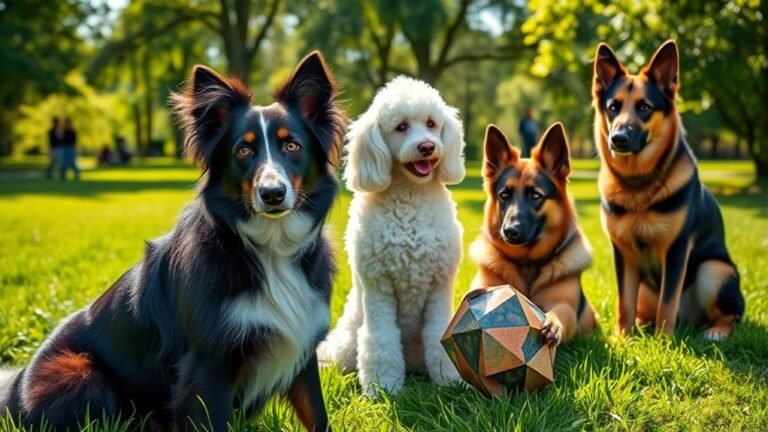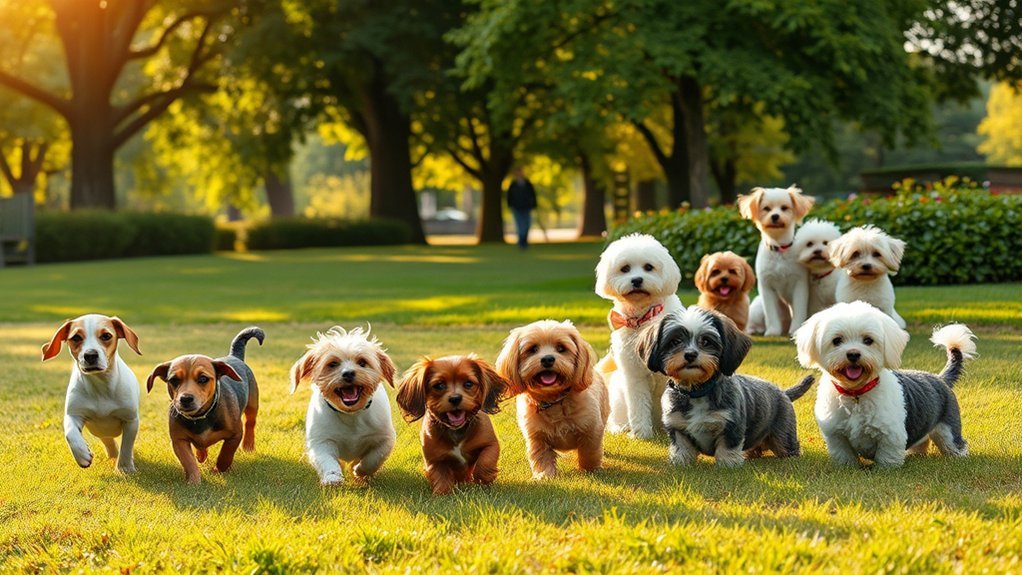
10 Dog Breeds Needing Minimal Grooming and 5 Requiring Spa Days
If you’re busy or have a family with little time for grooming, picking the right dog breed can make a big difference. Some dogs, like the Labrador Retriever and Beagle, have low grooming needs. They are great friends and don’t require much maintenance.
But some breeds, like the Poodle and Maltese, need regular grooming and special care to keep their fur looking good. It’s important to find the right mix between how much care a dog needs and how much love they give back.
Let’s take a look at some dog breeds that need little grooming and others that need extra pampering!
Key Takeaways
Labrador Retrievers, Beagles, Boxers, Dachshunds, and Chihuahuas have short coats. They need very little grooming. This makes them great for busy families or anyone who wants a low-maintenance dog.
These breeds need regular exercise to stay healthy and happy. A walk or playtime in the yard is good for them.
On the other hand, some breeds need more care. These dogs have long hair or special coats that need professional grooming often. They can get mats in their fur and have skin problems if they are not groomed regularly. Keeping them looking and feeling good means they need extra attention.
So, if you want an easy-going dog, choose a short-haired breed. If you love fluffy dogs and don’t mind some grooming, go for the ones that need spa days!
Labrador Retriever
Labrador Retrievers are super friendly dogs that many people love.
They’re smart and easy to care for. Their short fur doesn’t need much grooming, which is great for busy families. A simple brush helps keep their coat nice and reduces shedding.
Labradors need to stay active to be healthy. They enjoy playing fetch or swimming.
If you want to bring a Labrador into your home, it’s really important to train them properly. Start when they’re puppies. Socializing and taking them to obedience classes helps build a strong bond. You’ll teach them important commands while you grow close.
Beagle
If you want a fun dog with a great sense of smell, consider getting a Beagle. These friendly dogs make awesome pets for families and individuals. Their playful nature brings joy and laughter, helping you bond with them.
Beagles need regular exercise to stay happy and healthy. Taking them for daily walks or playing with them keeps their energy up and stops them from getting bored.
They love to explore, so having a fenced yard is perfect for their adventures. Plus, Beagles have short coats that are easy to care for, so you can spend more time enjoying life together.
Owning a Beagle can really improve your life and create a loving connection between you and your furry friend.
Boxer
Boxers are full of energy and love to play. They make great companions and fit well into families. Boxers are friendly and enjoy being around both kids and adults. They build strong bonds with their owners.
To keep a Boxer happy and healthy, you need to give them plenty of exercise. Daily walks and playtime are important. This helps them use their energy and stay fit.
Grooming a Boxer is easy too; their short coat only needs a little brushing to get rid of loose hair.
If you adopt a Boxer, you’ll get a loyal friend who loves to be active. They’ll bring joy and adventure to your life. You’ll never feel lonely with a Boxer by your side!
Dachshund
Dachshunds, or “wiener dogs,” are special pets. They’re small and full of personality. These little dogs bring happiness and friendship, but they need care and training.
Here are some tips to help you train your dachshund:
- Start socializing them early. Let them meet different people and pets. This helps them grow up friendly and confident.
- Use positive reinforcement. Give them treats or praise when they do something good. This makes training fun and easy.
- Watch their weight. Dachshunds can gain weight easily, which can lead to health problems. Make sure to give treats in moderation.
Chihuahua
Chihuahuas are small dogs with big personalities. They’re lively and love to be around their people. If you have a Chihuahua, you’ll notice that they bring joy and fun into your life.
To keep your Chihuahua healthy, regular vet visits are important. They can face some health issues, like dental problems and heart conditions. Because they’re small, Chihuahuas fit well in apartments, but they still need daily walks and playtime to stay happy.
These little dogs form strong bonds with their owners. They’re loyal and loving, making them great companions for anyone who wants a furry friend.
Boston Terrier
Boston Terriers are delightful pets. They love to play and cuddle, making them great friends for families and individuals.
Here are some simple facts about Boston Terriers:
- Loving Dogs: Boston Terriers enjoy being around people. They’re friendly and form strong bonds with their owners.
- Exercise Needs: They need regular walks and playtime to stay healthy and burn off energy.
- Health Care: Boston Terriers can have some health issues, like trouble breathing. It’s important to take them to the vet regularly.
Bull Terrier
Bull Terriers are fun and loving dogs. They’ve unique, egg-shaped heads and strong bodies. These dogs are very friendly and like to be around people. They make great pets for families or anyone who wants a loyal friend.
Training a Bull Terrier is important. Use positive reinforcement, which means giving treats or praise when they do something right. This way, they learn faster and have fun while learning.
Bull Terriers can have health issues, like skin problems or heart disease. Regular check-ups with the vet are important to keep them healthy.
To keep your Bull Terrier happy, make sure they get plenty of exercise and playtime. They need to run around and use their brains to stay healthy and cheerful.
As you spend time together, you’ll develop a special bond and enjoy each other’s company.
Shiba Inu
Shiba Inus are fun and lively dogs that many people love. They look a bit like foxes and have a strong personality.
Here are some easy training tips for Shiba Inus:
- Start Early: Teach them social skills when they’re young. This helps them be friendly and well-behaved.
- Be Consistent: Use the same commands every time. This helps them learn better.
- Use Positive Reinforcement: Give treats or praise when they do something good. This makes them want to listen and follow rules.
Shiba Inus are playful and independent. They do best in a loving home that understands their needs.
Enjoy their unique traits, and you’ll have a loyal friend to share your life with!
Basenji
If you like the fun spirit of a Shiba Inu, you might enjoy a Basenji too! This breed is known as the “barkless dog.” They’ve a quirky personality that’s full of curiosity.
Basenjis are smart, playful, and a bit independent, which makes training both exciting and sometimes tricky.
These dogs are full of energy. They need regular exercise to stay happy and healthy. Daily walks and playtime help keep them active. Since they can get bored easily, interactive toys and puzzle games are great to keep their minds busy.
Basenjis have short coats that don’t need much grooming. This makes them great pets for anyone who wants a lively friend without a lot of upkeep.
Embrace their strange little habits, and you’ll find a loyal buddy by your side.
Frequently Asked Questions
How Much Exercise Do These Low-Grooming Breeds Need Daily?
Low-grooming dog breeds need about 30 to 60 minutes of exercise every day. This helps them stay healthy and happy. Getting enough exercise also makes your bond stronger. You both get to enjoy your time together, and it keeps your dog feeling good!
Are Any of These Breeds Prone to Specific Health Issues?
Yes, some dog breeds can have health problems because of their genes. It’s important to learn about each breed. Knowing these health issues can help you take better care of your furry friend and make sure they stay happy and healthy.
What Is the Average Lifespan of These Low-Maintenance Dogs?
Low-maintenance dogs usually live between 10 to 15 years. This means you can enjoy their company for a long time. They can bring joy and love to your home, making them great family pets. Having a dog like this can make life happier and more fun!
How Do These Breeds Handle Living in Small Apartments?
Some dog breeds adapt really well to living in small apartments. They don’t make a lot of noise, so they can be great friends without bothering your neighbors. You can enjoy spending time together in your cozy space without feeling cramped.
Do These Breeds Have Specific Dietary Needs or Restrictions?
Each dog breed has its own dietary needs. This means you should pay attention to what nutrients they need and any food allergies they might have. It’s a good idea to talk to your vet. They can help you figure out the best diet for your dog. A proper diet will help your dog be healthy and happy in your home.