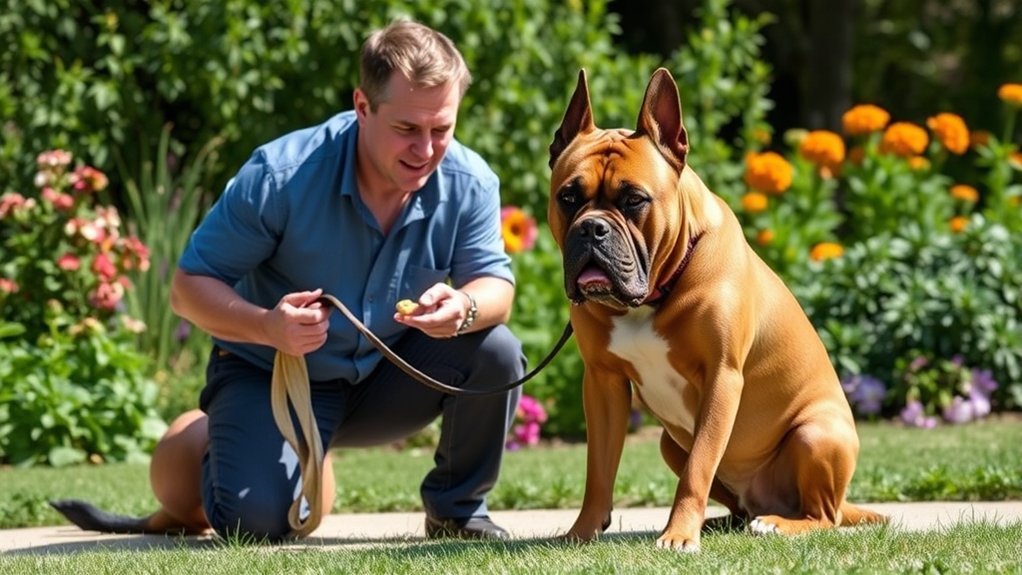
5 Ways to Manage an Aggressive Dog
Managing an aggressive dog can be tough. It helps to understand their behavior. Watch your dog closely to see what makes them upset. This way, you can find out what triggers their aggression.
Using positive reinforcement training is a great way to build trust. Reward your dog for good behavior with treats or praise. It helps them learn what you want from them.
Creating a safe space at home is also important. Make sure your dog feels calm and secure. This can reduce their stress levels and help prevent aggression.
Ask yourself this: What can you do to help your dog feel safe and supported? You may want to set up a cozy area just for them. Spend time with your dog to help them relax.
Taking these steps can make a big difference. With patience and care, you can help your dog manage their aggression better.
Key Takeaways
5 Ways to Help Your Aggressive Dog
- Watch Their Body Language: Pay attention to how your dog acts and what is happening around them. Look for signs that they are stressed or scared. This can help you know what is making them aggressive.
- Use Treats for Good Behavior: When your dog is calm, give them treats or praise. This helps them learn that being calm is good. It also builds trust between you and your dog.
- Create a Safe Space: Make a quiet area in your home where your dog can relax. This space should feel safe for them, especially when they are feeling anxious.
- Socialize Slowly: Introduce your dog to other calm dogs in a safe and quiet place. Take it slow to help them feel more comfortable and confident around other dogs.
- Get Professional Help: If your dog's aggression is serious, talk to a vet or a dog trainer. They can give you advice and tips that are just right for your dog.
Helping an aggressive dog takes time and patience. With the right steps, your dog can learn to feel more relaxed and safe.
Identify the Triggers of Aggression
When you see your dog being aggressive, it's vital to find out what causes this behavior. Understanding these triggers helps you manage the situation better.
Watch your dog's body language closely. If their fur stands up, they hold their body stiff, or they growl, these signs mean they might be stressed or uncomfortable.
Also, think about what's happening around them. Loud noises, new people, or other animals can make your dog react aggressively. Keep track of these moments and look for patterns that happen before the aggression.
Implement Positive Reinforcement Training
One way to help your aggressive dog is to use positive reinforcement training. This means you reward good behaviors instead of punishing bad ones. When your dog stays calm or acts friendly, give them treats, praise, or playtime right away. This helps them learn that good behavior gets them rewards.
Being consistent is really important. Always reward your dog when they behave well, especially in situations that made them aggressive before. Over time, this will build trust between you and your dog.
Be patient. Changing behavior takes time. By creating a supportive atmosphere, you're not just training your dog; you're making your bond stronger. This can lead to lasting positive changes for both of you.
Create a Safe and Controlled Environment
Creating a safe space for your dog is important, especially if your dog shows aggressive behavior.
First, set up areas in your home where your dog can feel calm and secure. These spaces should be quiet and free from loud noises or distractions. This will help your dog feel safe when things get overwhelming.
You can make these areas more fun and relaxing by adding toys, puzzles, or calming scents. These things can help your dog feel less anxious and encourage good behavior.
Also, try to keep a regular routine for your dog. When your dog knows what to expect, it can help reduce stress.
Socialize Your Dog Gradually
To help an aggressive dog, it's very important to socialize them slowly. This will help them feel more confident and less anxious.
Here are three simple steps you can follow:
- Start with small playdates. Introduce your dog to calm and friendly dogs. This helps them have good experiences with other dogs.
- Visit dog parks during quiet times. Let your dog watch and explore without feeling rushed. They can take their time to feel comfortable.
- Go to different places, like playgrounds or walking trails. This helps your dog get used to new sights and sounds, making them more adaptable.
Following these steps can make a big difference in your dog's behavior and help you both enjoy outings together!
Seek Professional Help if Necessary
If your dog's aggression doesn't get better, it may be time to ask for help. A good dog trainer or behavior expert can look at what's happening and make a plan to help.
First, check with a vet to make sure there are no health problems. Sometimes dogs act out because they're hurt or scared, and understanding this is important.
Trainers can show you exercises to help your dog feel better and behave well. They'll help you reward good behavior and slowly get your dog used to things that make them anxious.
Remember, you aren't alone; many dog owners face these challenges. Finding support from others can help you feel more confident.
Take care of your dog and work toward a happier relationship together. You both deserve it!
Frequently Asked Questions
Can Certain Dog Breeds Be More Prone to Aggression?
Yes, some dog breeds can show more aggression because of their natural traits. It's important to know these traits. With good training, you can make sure your dog is safe and happy. This helps both you and your pet have a better experience together.
How Do I Know if My Dog Is Stressed?
To tell if your dog is stressed, watch their body language. Look for signs like a tucked tail, droopy ears, or heavy panting. These signals show that your dog may not feel comfortable. Knowing these signs helps you understand and support your furry friend better. If you notice these signs, try to create a calm environment for your dog to feel safe and relaxed. Remember, your connection with your dog is important for their happiness!
What Are Common Signs of an Aggressive Dog?
When you look for signs that a dog may be aggressive, pay attention to certain behaviors. Here are some common signs to watch for:
- Raised Hackles: This means the fur on a dog's back stands up. It often shows that the dog feels scared or threatened.
- Growling: If a dog growls, it might be warning you to stay away. Growling is a sign the dog is not feeling comfortable.
- Bared Teeth: When a dog shows its teeth, it can mean the dog is ready to act aggressively. This is a clear warning.
If you notice any of these signs, it's important to give the dog space and consider avoiding close contact. Understanding these signs can help you keep yourself and others safe.
Can Medication Help With My Dog's Aggression?
Medication can help your dog with aggression, especially when combined with behavior therapy. The medicine may help calm your dog. A mix of both treatment methods is usually the best way to create a safe space for you and your pet. It's like having two friends working together to help your dog feel better and behave better.
How Long Does It Take to See Improvements in Aggression?
You might see changes in your dog's aggression in about 4 to 12 weeks. This depends on your dog's training and what they need. Keep track of their behavior so you can notice improvements and celebrate small wins together. This will help you both stay on the right path.