
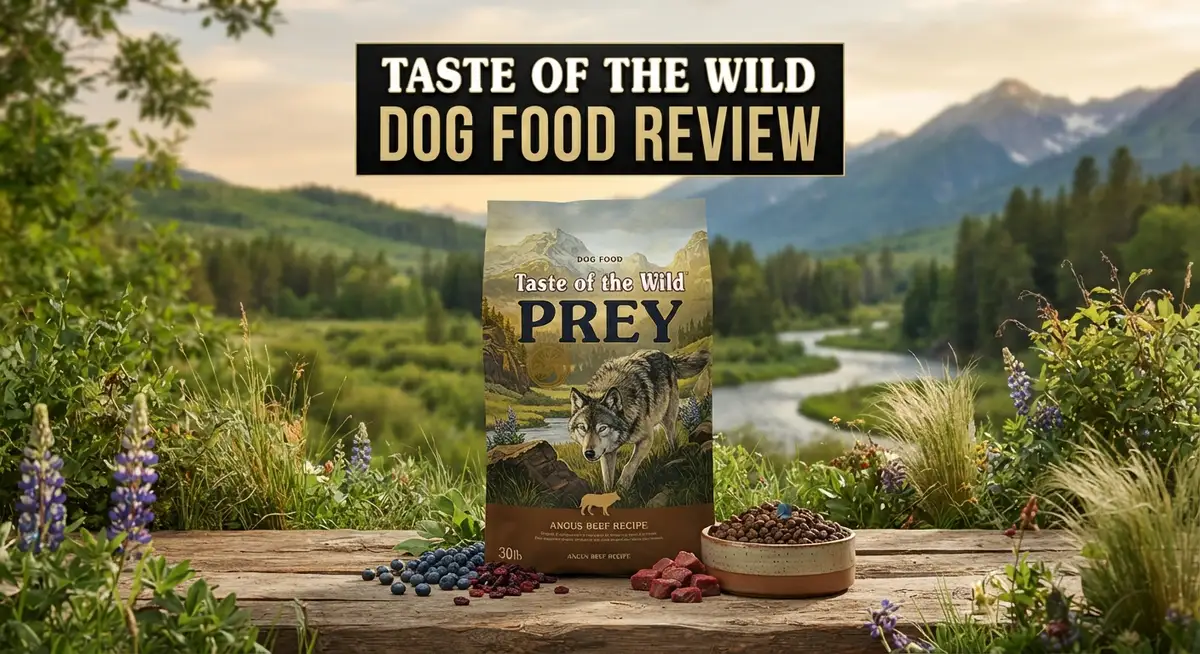
Taste of the Wild Dog Food Review: Ingredients, Nutrition & Ratings
Every dog owner wants the best food for their furry friend. Taste of the Wild is a popular choice for many pet parents. But does it live up to the hype?
This review digs into what makes this brand stand out. We look at real ingredients like beef, bison, and salmon. These proteins fuel your dog’s energy and muscle health.
Puppy formulas even include DHA for brain and vision growth. That’s a smart start for growing pups. Grain-free options also exist for dogs with sensitive stomachs.
Taste of the Wild boasts a strong 4.7 out of 5 star rating on Chewy. In fact, 95% of reviewers recommend it to other pet owners. That’s a big vote of confidence from real dog parents.
Still, no food is perfect. Some formulas contain high levels of peas and legumes. This raises questions among health conscious owners. A few dogs also show digestive sensitivity to certain recipes.
We’ll break down the good and the not so good. You’ll get a clear picture before choosing a bag. Let’s explore what really goes into this popular dog food brand.
In a Nutshell
Here’s the quick rundown before you dive deeper into this review.
-
Real meat comes first. Beef, bison, salmon, or wild boar sit at the top of the ingredient list. Your dog gets protein from actual animals, not fillers.
-
Grain free formulas exist for dogs with sensitive stomachs. But grain inclusive options are also on the shelf.
-
Pea content raises questions. Some formulas pack in a lot of legumes. This links to ongoing DCM concerns among vets and pet parents.
-
Ingredient splitting hides the full picture. Labels break peas into smaller categories. This makes it tricky to see the true legume amount.
-
Some dogs get an upset tummy. A handful of users report digestive issues after switching. It’s not universal, but worth watching for.
-
Long term fans stick around. Many owners report sustained satisfaction over months and years of feeding this brand.
This food shines with quality protein and clean labels. Just keep an eye on legume levels if your dog is DCM sensitive.
Ingredient Quality and Protein Sources
Taste of the Wild focuses on animal based proteins as the foundation of their formulas. Beef, bison, salmon, and wild boar appear early on ingredient lists. This approach appeals to owners who believe dogs thrive on meat forward nutrition.
The brand uses multiple protein sources in single formulas. You’ll find fish meal, beef meal, and poultry by products working together. This variety helps create a complete amino acid profile for muscle development and maintenance.
Real meat inclusion matters, and this brand delivers it consistently. The first ingredient in most formulas is actual meat, not meal or by products alone. Dogs digest whole meat proteins more efficiently than plant based alternatives.
However, legumes dominate the ingredient deck in ways that concern some pet parents. Peas, chickpeas, and lentils fill multiple spots on the label. These ingredients provide fiber and some protein, but they’re not meat.
The legume concern connects to ingredient splitting. When manufacturers list ingredients separately, total quantities become unclear. Peas might appear three times on the label as “peas,” “pea protein,” and “pea fiber.” Combined, legumes could outweigh actual meat content by weight.
This matters because high legume diets sparked discussions about heart health in dogs. While research is ongoing, informed owners watch legume ratios carefully. Taste of the Wild’s formulas contain legumes at levels that exceed some competitors’ products.
The brand does offer grain free and grain inclusive options. Grain free formulas replace grains with legumes, so the legume issue remains. Grain inclusive versions add oats or barley, which some dogs digest better.
Puppy formulas deserve special mention. They include DHA from fish oil for brain and eye development. This addition shows the brand thinks about life stage nutrition beyond basic protein needs.
Quality protein sources exist here, but they share shelf space with significant legume content. Owners of dogs with sensitive digestion sometimes report upset stomachs. Others see no issues and remain loyal long term customers. Your individual dog’s response matters more than general formulations.

- Taste of the Wild High Prairie with ROASTED BISON and VENISON dry dog food; REAL MEAT is the #1 ingredient...
- Nutrient-rich and provides the energy to thrive; vitamins and minerals from FRUITS and SUPERFOODS; omega fatty...

Last update on 2026-07-27 / Affiliate links / Images from Amazon Product Advertising API
Nutritional Profile and Formula Variety
Taste of the Wild creates formulas with multiple protein sources working together in each bag. You’ll find beef, bison, salmon, and wild boar across different product lines. This variety lets dog owners match their pet’s preferences and dietary needs.
The brand splits its lineup into grain free and grain inclusive options. Dogs with sensitive stomachs often do well on the grain free versions. Puppies get special attention with formulas containing DHA, an omega 3 that supports brain and eye development during growth stages.
Animal based proteins lead the ingredient list, which many pet parents appreciate. Real meat appears early on labels, signaling quality. However, legumes like peas, chickpeas, and lentils make up a substantial portion of the formula. This matters because legume heavy diets sparked conversations about potential heart health concerns in dogs.
The ingredient splitting issue deserves your attention. Manufacturers sometimes list peas in different forms (pea protein, pea starch, peas) separately on labels. When you add these up, the actual legume content becomes much higher than it first appears. This practice obscures the true legume ratio from consumers scanning ingredient lists quickly.
Some dogs experience digestive upset after switching to Taste of the Wild, though others thrive on it. Individual dogs react differently to legume levels and protein combinations. What works beautifully for one pet might not suit another.
The complete and balanced nutrition claim holds true across formulas. All options meet AAFCO standards for their life stages. You won’t find artificial colors, flavors, or preservatives in any Taste of the Wild product.
Long term users report strong satisfaction with the brand. Dogs maintain healthy coats and consistent energy levels on these formulas. The Chewy rating reflects this loyalty, with many owners repurchasing for years.
Your choice depends on your dog’s individual needs and how their digestive system responds. Monitor your pet closely during transitions. Some dogs flourish with the high protein, legume forward approach. Others do better with alternatives featuring lower legume content and different protein bases.
Legume Content and Health Considerations
Legumes show up heavily in Taste of the Wild formulas, and this deserves your attention as a dog parent. Peas, pea protein, and pea flour appear multiple times across ingredient lists. This repetition matters because it affects your dog’s actual legume intake.
The brand uses what experts call “ingredient splitting.” This practice lists peas in different forms separately on the label. When you add them together, legumes often rank higher than the single listings suggest. Your dog may consume more legumes than you realize from reading the package alone.
Legume content connects to a broader health conversation that started a few years ago. Veterinary researchers discussed potential links between high legume diets and dilated cardiomyopathy (DCM), a heart condition in dogs. While the science continues to develop, many informed pet owners now monitor legume levels carefully.
Some dogs thrive on legume-rich formulas without issues. Others experience digestive upset or show sensitivity over time. Individual response varies significantly between dogs. Your specific dog’s digestive system and health history matter more than general trends.
Taste of the Wild does offer grain-inclusive options alongside their grain-free lineup. Grain-inclusive formulas may contain lower legume percentages, though you should verify by checking the ingredient label. These alternatives exist for owners seeking to reduce legume exposure.
If you choose Taste of the Wild, reading the full ingredient list becomes essential. Look at where legumes appear and count how many times peas show up in different forms. This simple step gives you accurate information about what your dog actually eats.
Your veterinarian can help you evaluate whether this brand suits your dog’s individual needs. They understand your dog’s health history and can spot potential concerns. Some dogs do beautifully on Taste of the Wild despite legume content. Others need formulas with different ingredient profiles.
The legume question doesn’t make Taste of the Wild bad or good. It simply means you should make an informed choice based on your dog’s specific situation and your comfort level with the ingredients you’re feeding.
Top 3 Alternatives
Orijen Original Dog Food

- One (1) 4.5 lb bag of ORIJEN Amazing Grains Original Dry Dog Food
- Nutrient-dense, grain free* dry dog food formula tailored to support your dog's immune function, digestion...
Last update on 2026-07-27 / Affiliate links / Images from Amazon Product Advertising API
Orijen Original offers high-protein nutrition for active dogs. This formula contains 80% quality animal ingredients, including fresh meat, fish, and eggs. Your dog gets real nutrition without grain fillers or artificial additives.
The food supports muscle development and energy levels. Dogs with sensitive stomachs often respond well to this recipe. Orijen focuses on what dogs naturally eat, making it a solid choice for owners seeking premium quality.
Acana Grasslands Dog Food

- One (1) 4.5 lb bag of ACANA Grain Free* Meadowland Recipe Dry Dog Food
- High protein dog food recipe features 70 percent** high-quality animal ingredients and 30 percent*** wholesome...
Last update on 2026-07-27 / Affiliate links / Images from Amazon Product Advertising API
Acana Grasslands features meat from grass-fed animals and wild-caught fish. The formula includes 50% quality animal ingredients with fresh vegetables and fruits. Your dog receives balanced nutrition in every bite.
This option works well for dogs needing grain-free alternatives. The recipe avoids artificial preservatives and by-products. Many pet owners report improved coat health and digestion after switching to this brand.
Primal Raw Dog Food

- REAL BEEF. RAW NUTRITION MADE EASY: Made with grass-fed beef, this 100% freeze-dried raw protein dog food...
- FREEZE-DRIED & MINIMALLY PROCESSED: Gently freeze-dried to help preserve nutrients and flavor, offering a dry...
Last update on 2026-07-27 / Affiliate links / Images from Amazon Product Advertising API
Primal Raw provides freeze-dried raw nutrition in convenient form. The formula contains whole prey items like muscle meat, organs, and bone. Your dog gets nutrition similar to what wild canines consume.
Freeze-dried raw food requires simple preparation—just add water. This option suits dogs with digestive sensitivities and those needing limited ingredient diets. The nutrient density means smaller feeding portions compared to traditional kibble.
All three alternatives focus on high-quality animal proteins and minimal processing. Each brand avoids common fillers and artificial ingredients. Your choice depends on your dog’s specific needs, activity level, and digestive health. Consider consulting your veterinarian before making dietary changes to ensure the new food matches your dog’s nutritional requirements.
Customer Satisfaction and Real-World Results
Real owners share honest stories about how Taste of the Wild performs in their homes. The brand maintains a 4.7 out of 5 star rating on Chewy, with 95% of reviewers recommending it to other dog parents. This strong rating reflects genuine satisfaction among long term users.
Many dogs show visible improvements after switching to this food. Pet parents report shinier coats, better energy levels, and improved digestion within weeks. Dogs with sensitive stomachs sometimes thrive on the high protein formulas. Some owners notice their pups finish meals faster and seem more excited at feeding time.
However, not every dog responds the same way. Some pets experience digestive upset when first introduced to Taste of the Wild. This happens because the legume content and protein levels differ from their previous diet. A gradual transition over 7 to 10 days usually helps. Pet parents who rush the switch sometimes see loose stools or vomiting.
Weight management also appears in customer feedback. Dogs on this food maintain healthy weights without constant portion adjustments. Active dogs and working breeds seem to benefit most from the high protein content. Owners of senior dogs report their pets stay mobile and engaged longer.
Long term users represent the most telling satisfaction metric. Customers who stick with Taste of the Wild for a year or more consistently praise the brand. They mention stable digestion, consistent energy, and fewer vet visits for food related issues. These owners often become repeat buyers who rarely switch formulas.
Your individual dog’s response matters most. A dog that thrives on one formula might struggle on another. Watching your pet for the first month tells you whether this brand works for your situation. Keep notes on coat quality, energy levels, stool consistency, and appetite. Share these observations with your veterinarian to confirm the food matches your dog’s needs.
Pricing and Value for Money
Taste of the Wild offers several formula options, and understanding what you get in each bag helps you make a smart choice for your dog.
The brand provides multiple protein sources in every formula. You’ll find beef, bison, salmon, or wild boar depending on which recipe you select. This variety means you can rotate formulas or pick one that matches your dog’s preferences and digestive needs.
Puppy and kitten formulas include DHA for brain and vision development. This ingredient matters if you’re raising a young dog. Adult formulas focus on muscle maintenance and energy support through high protein content.
The grain-free versus grain-inclusive split gives you flexibility. Some dogs thrive on grain-free options, while others do better with grains included. You can choose based on your dog’s individual response rather than following a one-size-fits-all approach.
Here’s what matters most: you get real meat as the primary ingredient. No mystery meat by-products or unnamed protein sources. The ingredient list reads clearly with identifiable animal proteins leading the way.
The legume content deserves your attention when evaluating value. Taste of the Wild uses peas, chickpeas, and lentils as carbohydrate sources. Some informed pet parents question whether the legume ratios align with their dog’s nutritional needs. Reading the full ingredient list helps you understand exactly what you’re feeding.
Customer feedback shows that long-term users report strong satisfaction. Dogs that stick with the brand often show visible improvements in coat quality, energy levels, and digestion. However, not every dog responds the same way initially.
The complete and balanced nutrition claim holds true across formulas. This means each recipe meets AAFCO standards for essential nutrients. Your veterinarian can help you determine if a specific formula suits your dog’s age, size, and health status.
Consider your dog’s individual needs when making your decision. Some dogs thrive on Taste of the Wild immediately, while others need a gradual transition period. Testing how your specific dog responds provides the real measure of whether this brand delivers what your pet needs.
Pros and Cons
Pros
- Real meat, fish, and fowl serve as the primary ingredients in every formula
- High protein content supports muscle development and overall energy levels
- Puppy and kitten formulas include DHA for healthy brain and vision development
- Chewy rating of 4.7 out of 5 stars with 95% of customers recommending the brand
- Long-term users consistently report strong satisfaction and visible improvements in their dogs
Cons
- Heavy legume content (particularly peas) raises concerns some dog owners monitor closely
- Ingredient splitting on labels makes the actual pea quantity less transparent to consumers
- Some dogs experience digestive issues after eating this food
- Legume ratios in grain-free formulas may not suit every dog’s individual needs
Who Should Buy It
Taste of the Wild works best for dog owners who prioritize high protein nutrition and real meat ingredients. If your dog thrives on animal based proteins like beef, bison, salmon, or wild boar, this brand aligns with your feeding goals.
Puppies and kittens benefit from the DHA enriched formulas. This omega 3 fatty acid supports brain and vision development during critical growth stages. Parents raising young animals often see this as a key advantage.
Dogs with grain sensitivities find value in the grain free options. However, owners should know that legume content remains high across formulas. If your dog has a history of digestive upset or you want to minimize pea based ingredients, research the specific formula carefully before committing.
Active and working dogs respond well to the high protein structure. Dogs with elevated energy demands benefit from formulas that support muscle maintenance and sustained energy. Owners of athletic breeds often report positive results.
This brand suits informed consumers who read ingredient labels closely. You should feel comfortable evaluating legume ratios and understanding ingredient splitting practices. Educated pet parents who cross reference formulas and ask questions make the best matches with Taste of the Wild.
Dogs with established track records of tolerating legume rich diets do well here. If your dog has eaten other legume forward brands without problems, this transition feels natural. Long term success depends on your individual dog’s digestive response.
Owners seeking multiple protein sources in one formula find this appealing. The brand delivers variety across its lineup, so you can rotate formulas or choose based on your dog’s preferences.
However, skip this brand if your vet recommends limiting legume intake. Some dogs show sensitivities to high pea concentrations. Your veterinarian’s guidance on your dog’s specific health needs always comes first.
Taste of the Wild fits owners who value transparency enough to investigate labels thoroughly. You get real commitment to animal based nutrition, but you must do your homework on ingredient composition. The brand rewards engaged, attentive pet parents who match formulas to their dog’s unique needs.
Final Verdict
Taste of the Wild stands out as a solid choice for dog owners who want quality nutrition. The brand delivers on its core promises with real ingredients and thoughtful formulations.
Compared to competitors like Firstmate and Nutrisource Element, this brand offers similar protein quality. Merrick provides another alternative worth exploring if you want more variety in protein sources.
Your final decision should depend on your dog’s specific needs. Every pet has different tolerances and requirements that shape what works best.
Start with a small bag first. This lets you test how your dog reacts before committing further. Watch for any signs of digestive upset during the first few weeks.
Talk to your vet before switching foods, especially if your dog has existing health conditions. A professional opinion helps you make a confident choice.
Monitor your dog closely after introducing this food. Look for changes in energy, coat condition, and stool quality. These signs tell you if the formula suits your pet.
Consider your dog’s breed and size too. Larger breeds often thrive on the protein rich formulas, while smaller dogs may need different portion adjustments.
If your dog shows any sensitivity to legumes, switch to a different brand right away. Your dog’s comfort matters more than sticking with one product line.
Many owners report positive long term results with consistent use. This pattern suggests the formula works well for dogs without specific health restrictions.
The bottom line is simple. This brand works great for healthy adult dogs seeking protein rich nutrition. It becomes less ideal for dogs needing strict legume control.
Trust your observations and your vet’s guidance above any general review. Your dog’s individual response remains the best indicator of whether this food truly fits their needs.
Frequently Asked Questions
Does Taste of the Wild contain any artificial ingredients?
No, this brand avoids artificial preservatives, colors, and flavors. The formulas use real meat sources like beef, bison, salmon, and wild boar as the foundation. You get whole food ingredients without synthetic additives.
Is Taste of the Wild safe for puppies?
Yes, the puppy formula is specifically designed for young dogs. It includes DHA, an omega-3 fatty acid that supports brain and vision growth during critical development stages. The high protein content fuels active puppies as they grow.
Why do some dog owners worry about legumes in this food?
Taste of the Wild relies heavily on peas and other legumes as protein sources. Some owners monitor legume intake because of ongoing discussions in the pet nutrition community about potential links to certain heart conditions. The brand also uses ingredient splitting on labels, which can make the actual pea quantity unclear to consumers reading the package.
Can dogs with grain sensitivities eat this brand?
Yes. Taste of the Wild offers grain-free options that work well for dogs with grain sensitivities. These formulas replace grains with legumes and other carbohydrate sources. However, always introduce new food gradually over 7 to 10 days. Mix small amounts with your dog’s current food first, then slowly increase the new brand’s portion.
What should I do if my dog has digestive issues after switching to this food?
Stop the transition immediately and contact your vet. Some dogs experience digestive upset when switching foods. Your vet can recommend alternatives or suggest a slower transition timeline. If your dog continues showing sensitivity, consider a different brand that better matches your dog’s digestive needs.