
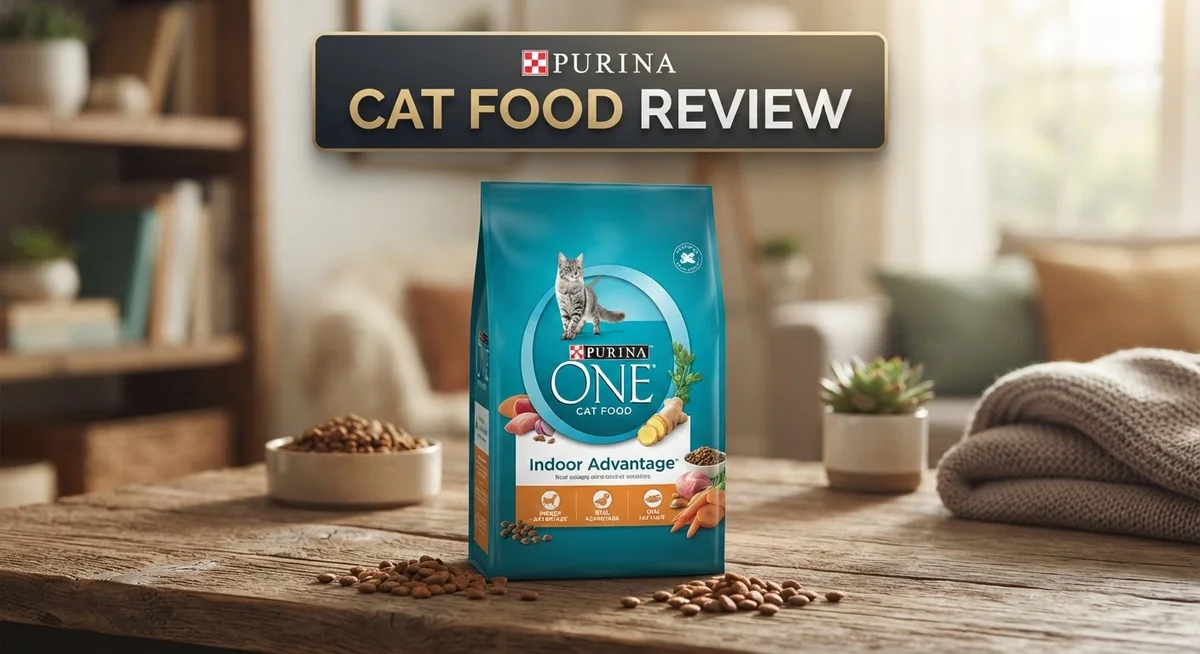
Purina Cat Food Review: Ingredients, Formulas & Nutritional Analysis
Choosing the right food for your cat can feel tricky. So many brands line the shelves. So many claims fill the packaging.
Purina stands out as one of the most trusted names in pet food. Vets recommend it. Millions of pet parents rely on it every day.
But does it truly deliver good nutrition for your feline friend? This review breaks down everything you need to know.
We look at real ingredients used in Purina formulas. We check protein sources like chicken, salmon, and turkey. We also examine the different product lines available.
From kittens to seniors, Purina offers formulas for every life stage. Sensitive stomachs and weight management needs get special attention too.
This guide covers the good and the bad. You will learn about nutritional strengths. You will also discover areas where some owners have concerns.
Our goal is simple. We want to help you decide if Purina fits your cat’s needs. Keep reading to see how this popular brand truly performs.
In a Nutshell
Here is the quick summary for busy cat parents:
-
Vet approved formulas. Purina meets WSAVA standards. Vets trust this brand for balanced nutrition.
-
Real protein first. Chicken, salmon, and turkey often top the ingredient list. This gives cats quality protein they need.
-
Something for every cat. Purina makes food for kittens, seniors, and cats with sensitive stomachs. Weight management options exist too.
-
Mixed ingredient quality. Some recipes include processed grains and artificial preservatives. Not every formula is equally clean.
-
Carb content runs high. Many formulas lean on carbohydrates more than some competitors. This matters if your cat needs a leaner diet.
-
Trusted by millions. Over 100 million pets eat Purina daily. Customer reviews stay mostly positive across most product lines.
-
Solid but not perfect. Purina earns a respectable 6.8/10 rating overall. It works well for many cats, though pickier owners may explore other brands too.
Ingredient Quality and Protein Sources
Purina sources its proteins from real meat, fish, and poultry. The brand uses chicken, salmon, ocean whitefish, and turkey as primary ingredients across most formulas. This matters because cats are carnivores and need quality animal proteins to thrive.
The Purina One line stands out for featuring real meat as the first ingredient. These recipes avoid meat by products and focus on whole protein sources. Your cat gets the amino acids it needs for muscle development and energy. Veterinarians approve these formulas because they meet WSAVA standards for nutritional completeness.
However, not all Purina recipes are created equal. Some formulas contain processed grains and carbohydrates as secondary ingredients. This is important to know because cats have limited ability to digest plant based carbs efficiently. They evolved as obligate carnivores, so grain heavy diets may not suit every cat.
Purina Pro Plan offers specialized formulas for cats with specific needs. The sensitive stomach line uses easily digestible proteins for cats prone to digestive issues. Senior formulas adjust protein ratios and add joint support ingredients. These targeted approaches show Purina understands different cats have different nutritional requirements.
The ingredient list varies by product line. Premium Purina One recipes emphasize real meat content. Standard Purina formulas may include more fillers and artificial preservatives. Reading the label matters. The first five ingredients tell you what your cat actually eats most.
Ocean whitefish and salmon provide omega 3 fatty acids that support coat health and immune function. Turkey offers lean protein with lower fat content than chicken. This variety helps Purina appeal to cats with different taste preferences and dietary needs.
One concern is transparency. Purina uses vague terms like “poultry by products” in some recipes. This means the exact protein source remains unclear. Competitors like Merrick and Wellness often specify exact meat sources on their labels.
Overall, Purina’s protein sources are legitimate and recognizable. The quality depends on which formula you choose. Purina One delivers better ingredient quality than standard Purina lines. Your cat’s individual health needs should guide your selection between their various options.

- Natural Purina dry cat food nutrition with high-quality ingredients like real turkey and real chicken as the...
- Hairball control cat food features a natural fiber blend to help control hairballs

Last update on 2026-07-27 / Affiliate links / Images from Amazon Product Advertising API
Formula Variety and Specialized Lines
Purina offers a wide range of formulas to match different cat needs and preferences. Each line serves a specific purpose in your cat’s life.
The Adult formulas work for cats in their prime years. These recipes come in dry kibble and tender bite blends. You get options with chicken, salmon, turkey, and ocean whitefish as protein sources. The variety means you can find flavors your cat actually enjoys eating.
Indoor cat formulas address the unique needs of cats that stay home. These recipes help manage weight and reduce odor in litter boxes. Indoor cats move less than outdoor cats, so these formulas contain fewer calories. This helps prevent weight gain in sedentary pets.
The Pro Plan line stands out as Purina’s premium offering. This line includes specialized recipes for cats with sensitive stomachs, digestive issues, or allergies. Pro Plan also offers weight management options for heavier cats. Many veterinarians recommend Pro Plan for cats with specific health concerns.
Kitten formulas support young cats during their growth phase. These recipes contain higher protein and calorie levels. Kittens need extra nutrients to develop properly. The formulas help build strong bones and muscles during those critical early months.
Senior cat formulas help older cats stay comfortable and active. These recipes soften with moisture to ease chewing for cats with dental issues. Senior formulas often include joint support ingredients. They address common problems that affect aging cats.
Specialized lines tackle specific health challenges. Purina makes formulas for cats with urinary tract issues, kidney concerns, and digestive problems. These recipes work alongside veterinary care when your cat faces health obstacles.
The tender bite blend concept combines crunchy kibble with soft pieces. This texture variety keeps mealtime interesting. Some cats prefer one texture over another, so this mixed approach appeals to pickier eaters.
Purina’s formula variety gives cat owners real choices. You can match the food to your cat’s age, activity level, and health status. This approach helps ensure your cat gets appropriate nutrition for their specific situation. The multiple lines mean almost every cat owner finds something suitable within the Purina range.
Nutritional Profile and Carbohydrate Content
Purina cat food contains varying levels of carbohydrates depending on the specific formula you choose. Many of their recipes lean heavily on carbs, which differs from what some cat owners prefer for their pets.
Cats are obligate carnivores. This means their bodies work best with high protein and low carbohydrate diets. Purina’s carbohydrate content typically ranges higher than some specialty brands on the market. The exact percentage depends on whether you pick their standard Adult line or their Pro Plan offerings.
Grain content plays a big role in carbohydrate levels. Several Purina formulas include processed grains like corn, wheat, and soybean meal. These ingredients boost carb counts significantly. If your cat has grain sensitivities or you want to minimize carbs, you’ll need to read labels carefully.
Some Purina lines do offer grain free options. These recipes replace grains with other carbohydrate sources like potatoes or peas. The carbohydrate percentage may still remain moderate to high compared to raw or fresh food diets.
The Pro Plan Sensitive Skin and Stomach formula addresses digestive concerns. However, carbohydrate levels remain a consideration even in these specialized recipes. Your veterinarian can recommend whether lower carb options suit your cat better.
Real meat content versus filler matters here. When meat appears first in the ingredient list, it provides more protein relative to carbs. Purina One formulas emphasize this approach better than some budget options.
Indoor cat formulas deserve special attention. These recipes often contain higher carbs because they assume less active lifestyles. If your indoor cat struggles with weight, the carbohydrate profile becomes more important to monitor.
Senior cat formulas balance nutrition differently. They account for changing metabolic rates and digestive efficiency in older cats. The carbohydrate adjustment reflects these age related needs.
Reading the guaranteed analysis section on packaging shows exact protein and fat percentages. This helps you compare carb levels across different Purina products. The math is simple: subtract protein, fat, fiber, and ash from 100 to estimate carbs.
Switching to a lower carb formula should happen gradually. Mix new food with old food over 7 to 10 days. This prevents digestive upset and helps your cat adjust comfortably.
Top 3 Alternatives
Hill’s Science Diet

- Triple support for stomach, skin and immune system health
- Highly digestible formula with prebiotic fiber that is gentle on the stomach for optimal nutrient absorption
Last update on 2026-07-27 / Affiliate links / Images from Amazon Product Advertising API
Hill’s Science Diet offers complete nutrition for cats at every life stage. The formula includes high-quality proteins and essential amino acids. Your cat gets balanced minerals for strong bones and teeth. The food supports healthy digestion through fiber blends. Many cat owners report their pets have shinier coats after switching to this brand. The recipes are made without artificial colors or flavors. Hill’s uses real meat as the primary ingredient in most formulas.
Royal Canin Feline

- Royal Canin Adult Instinctive Thin Slices in Gravy is soft cat food for cats 1-7 years old
- Satisfies even the pickiest eaters with an instinctively preferred ratio of proteins, fats, and carbohydrates
Last update on 2026-08-04 / Affiliate links / Images from Amazon Product Advertising API
Royal Canin Feline provides specialized nutrition based on your cat’s specific needs. The brand offers different formulas for indoor cats, outdoor cats, and cats with sensitive stomachs. Each recipe contains precise nutrient ratios that support urinary health and digestive function. The kibble size matches feline mouth anatomy for easier chewing. Royal Canin uses a scientific approach to cat nutrition. Your cat absorbs more nutrients from each serving. The brand also offers wet food options for cats who prefer moisture in their meals.
Iams ProActive Health

- Veterinarians Recommend IAMS: Feed your favorite feline IAMS cat food dry recipe supporting whole-body health
- Discover the Proactive 5 Difference: The Proactive 5 health benefits for IAMS Indoor Cat Food Dry Proactive...
Last update on 2026-08-04 / Affiliate links / Images from Amazon Product Advertising API
Iams ProActive Health focuses on supporting your cat’s immune system and overall wellness. The formula includes antioxidants and vitamins that strengthen natural defenses. Omega-3 and omega-6 fatty acids promote healthy skin and a soft coat. The food contains chicken as the primary protein source. Iams ProActive Health supports healthy weight management in adult cats. The recipes are formulated without corn, wheat, or soy. Many veterinarians recommend this brand for cats needing reliable, affordable nutrition.
Veterinary Approval and Safety Standards
Purina holds strong credentials in veterinary approval and safety standards. The brand maintains compliance with WSAVA (World Small Animal Veterinary Association) guidelines, which is a key indicator of quality. Many veterinarians recommend Purina products to their clients, particularly the Pro Plan line.
The manufacturing process follows strict safety protocols. Purina operates facilities that meet FDA regulations and industry standards. Each batch undergoes testing to ensure consistency and safety. This commitment to quality control gives cat owners confidence in what they feed their pets.
Ingredient sourcing matters significantly for safety. Purina uses real meat, fish, and poultry from recognized suppliers. The Purina One line emphasizes whole proteins as primary ingredients, which aligns with veterinary nutrition principles. Ocean whitefish and salmon come from established sources, supporting both safety and nutritional value.
However, transparency varies across product lines. Some formulas contain processed grains and artificial preservatives that some veterinarians question. The ingredient quality differs between budget lines and premium Pro Plan options. Cat owners should review specific formulas rather than assuming all Purina products meet identical safety standards.
Specialized formulas address specific health concerns. The Pro Plan Sensitive Skin and Stomach formula targets digestive issues under veterinary guidance. Senior cat formulas account for aging nutritional needs. Kitten formulas support growth with appropriate nutrient ratios. These specialized lines show Purina’s effort to meet different health requirements.
Purina’s trusted reputation stems from serving over 100 million pets worldwide. This extensive use provides real-world safety data that veterinarians monitor. Long-term customer satisfaction generally indicates product safety and reliability.
One consideration involves carbohydrate levels. While veterinarians recognize that cats are obligate carnivores, some Purina formulas remain grain heavy. This doesn’t necessarily mean safety issues, but it may not align with feline nutritional ideals. Grain free options exist within the Purina lineup for owners seeking alternatives.
The brand’s safety standards remain solid overall. Veterinary approval, facility compliance, and quality testing support this assessment. Cat owners should discuss specific formulas with their veterinarian to match individual pet needs and health profiles.
Availability and Brand Reputation
Purina stands as one of the largest pet food manufacturers globally. The brand serves over 100 million pets across the world. This massive reach speaks to consistent consumer trust and widespread acceptance.
Veterinarians frequently recommend Purina products to cat owners. The brand maintains WSAVA compliance, which means it meets strict international standards. Many veterinary clinics stock Purina formulas because they align with professional nutritional guidelines.
You can find Purina cat food almost everywhere. Major retailers like Petco, PetSmart, and Amazon carry full product lines. Grocery stores and local pet shops typically stock multiple Purina varieties. This availability makes switching or restocking convenient for most households.
The brand’s reputation includes both strengths and concerns. Positive customer reviews dominate online platforms. Many cat owners report their pets enjoy Purina formulas and maintain healthy weights. Long term customers often stick with the brand due to consistent quality and results.
However, some concerns exist within the pet nutrition community. Critics point out that certain Purina lines contain more grains and carbohydrates than cats naturally need. Some formulas include artificial preservatives and additives that health conscious owners prefer to avoid. These factors have prompted some customers to explore alternative brands.
Purina’s Pro Plan line represents the brand’s premium positioning. This line uses real meat as the primary ingredient and targets specific health needs. The Purina One line also emphasizes natural ingredients and higher protein content. These premium options appeal to owners seeking less processed options.
Recent customer feedback mentions price increases across product lines. Some owners feel the cost no longer matches the ingredient quality. This sentiment has driven a portion of the customer base toward competitors like Blue Buffalo, Merrick, and Wellness.
Despite these criticisms, Purina maintains strong market dominance. The brand continues investing in research and product development. New formulas regularly address emerging health concerns like sensitive digestion and weight management. Purina’s combination of availability, veterinary support, and product variety keeps it relevant in a competitive market.
Pros and Cons
Pros
- Veterinarians recommend Purina formulas regularly and the brand meets WSAVA standards
- Multiple product lines address specific needs like indoor cats, seniors, and sensitive stomachs
- Real meat, fish, and poultry appear as primary ingredients in Purina One and Pro Plan varieties
- You can find Purina cat food in nearly every pet store and online retailer
- Over 100 million pets trust Purina, backed by positive customer reviews
Cons
- Many formulas contain high carbohydrate levels from processed grains, which cats don’t need naturally
- Artificial additives and preservatives show up in several recipes across the standard product lines
- Some customers report recent price increases have made certain products less appealing
- The brand receives a B grade overall rating (6.8/10) from nutrition experts, indicating room for improvement
Who Should Buy It
Purina cat food works best for specific types of cat owners and pets. Understanding who benefits most helps you decide if this brand matches your needs.
Cat owners seeking veterinarian-approved options should consider Purina. The brand meets WSAVA standards and veterinarians frequently recommend these formulas. If your vet suggests Purina, the product aligns with professional pet nutrition guidance.
Owners of multiple cats find Purina convenient. The brand appears in nearly every pet store and online retailer. You don’t waste time hunting for specialty shops or waiting for delivery.
Purina works well for cats with specific health needs. The Pro Plan line includes formulas for sensitive stomachs, weight management, senior cats, and indoor cats. If your cat needs digestive support or has special requirements, Purina offers targeted solutions.
Pet owners who prefer established brands feel comfortable with Purina. Over 100 million pets trust this manufacturer. The positive customer reviews and long history provide peace of mind.
However, Purina may NOT suit certain situations. If you want minimal grain content, standard Purina formulas disappoint. These recipes contain high carbohydrate levels from processed grains. Cats naturally thrive on meat, not grains.
Owners seeking grain-free or limited ingredient diets should explore alternatives. Purina One uses real meat as the primary ingredient, but many standard recipes still include processed grains and artificial additives.
If you prefer transparency in sourcing, some Purina lines lack detailed ingredient information. While the Pro Plan and Purina One lines use recognizable meat sources, other formulas remain less clear about ingredient origins.
Budget-conscious owners need to weigh options carefully. Recent customer feedback mentions price increases. You should compare Purina against competitors like Blue Buffalo, Merrick, and Wellness to see what matches your situation.
Skip Purina if your cat has severe allergies or sensitivities that require prescription diets. Work with your veterinarian on specialized medical foods instead.
In summary, Purina suits owners who value veterinary approval, convenience, and established brand trust. It works especially well for cats with specific health conditions. However, owners seeking grain-free options or maximum ingredient transparency may find better alternatives elsewhere.
Final Verdict
Purina cat food earns a solid 6.8/10 rating overall. This score reflects a brand that balances quality with a few notable gaps.
The Pro Plan and Purina One lines stand out as strong choices. They offer real protein sources and formulas backed by science.
Standard formulas fall a bit short. Some recipes lean on fillers rather than pure nutrition.
Cats are obligate carnivores. They thrive on protein rich diets, not carbohydrate heavy meals. This makes ingredient checking important before you buy.
Purina still holds its place as a trusted name in pet nutrition. Millions of cat parents rely on it daily without issues.
Consistency matters most for cat owners. Purina delivers that consistency across its many product lines.
Every formula does not fit every cat. Some kitties need specialized diets that push beyond what Purina offers.
Sensitive stomachs, allergies, or specific health conditions may require a vet consultation first. Your cat’s unique needs should guide the final choice.
Think of Purina as a dependable starting point. It works well for healthy adult cats without major dietary restrictions.
Switching brands entirely may not be necessary. Many owners mix Purina with other trusted brands for variety.
This approach gives cats a wider range of nutrients. It also keeps mealtime interesting for picky eaters.
The brand’s scale brings both benefits and tradeoffs. Mass production means wide availability but sometimes generic formulation.
Smaller brands often focus on niche diets. Purina focuses on broad appeal instead.
That tradeoff suits most cat owners just fine. Only those with very specific needs might look elsewhere.
Purina remains a safe, science backed option for everyday feeding. It won’t win awards for innovation, but it delivers steady results.
Your cat’s health always comes first. Use this review as a guide, not a final rule.
Talk to your vet if you notice any digestive changes. Every cat responds differently to new food, regardless of the brand’s reputation.
Frequently Asked Questions
Does Purina cat food work for picky eaters?
Purina offers multiple flavors and textures. The tender bite blend combines soft pieces with crunchy kibble. Some cats prefer this mix over single-texture food. If your cat refuses standard recipes, try the Pro Plan line. It uses real fish and poultry as main ingredients, which appeals to many selective eaters.
However, pickiness sometimes signals a deeper issue. Consult your vet if your cat suddenly stops eating. A change in appetite can mean health problems, not just food preference.
Is Purina safe for cats with food sensitivities?
Purina makes formulas for sensitive stomachs. These recipes use limited ingredients and avoid common allergens. The Pro Plan Sensitive Skin and Stomach line addresses digestive upset and itching.
That said, not every sensitive cat responds the same way. Some cats need grain-free options or novel proteins. Others require prescription diets from your veterinarian. Start with your vet’s recommendation before switching foods.
Can I mix Purina with other cat food brands?
Yes, you can blend Purina with other quality brands. Mixing helps if you want to transition slowly or combine different nutrients. Gradual blending over 7 to 10 days prevents stomach upset.
Keep portions balanced. If you mix two brands equally, each provides 50% of daily nutrition. Monitor your cat’s digestion and energy levels during the transition.
What makes Purina different from competitors?
Purina operates at a larger scale than most rivals. This means wider availability and consistent supply. The brand also invests heavily in veterinary research and testing.
Competitors like Blue Buffalo and Merrick focus on grain-free or natural positioning. Wellness emphasizes holistic nutrition. Purina occupies the middle ground: established science, broad availability, and veterinarian approval. Your choice depends on your cat’s needs and your priorities.