• 10 Things Your Dog Wants You to Know After They’re Gone

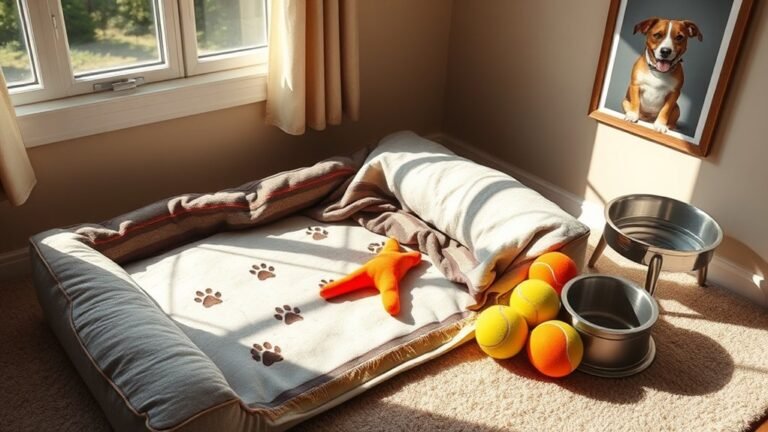
    Losing your dog can feel like losing a piece of your heart. Their absence hurts, but their spirit stays with you. Think of all the happy moments you shared together. It’s okay to feel sad, but your dog wants you to find joy again. They would not want you to feel guilty while you heal. Let’s look at some of the simple lessons your dog might want to share with you. 1. **Cherish Memories**: Remember the fun times. Keep pictures or toys that remind you of them. 2. **Feel Your Feelings**: It’s okay to be sad. Allow yourself to cry and talk about your dog. 3. **Find Joy Again**: Your dog would want you to smile. Take time to do things that make you happy. 4. **Love Again**: If you’re ready, open your heart to another pet. Love is meant to be shared. 5. **Live in the Moment**: Enjoy each day. Your dog loved being with you in every moment. 6. **Stay Active**: Go for walks and play. Your dog loved these activities, and they can help you feel better. 7. **Be Kind to Yourself**: Healing takes time. Don’t rush yourself to feel okay. 8. **Talk About Them**: Share stories with friends or family. It keeps their memory alive. 9. **Create a Tribute**: You can make a special space or plant a tree in your dog’s honor. 10. **Remember the Love**: The love you shared will never go away. Hold onto that always. Your dog’s spirit will always be with you. Embrace the lessons they leave behind and allow yourself to heal.

  • 10 Ways Dogs Show You’re Their World

    Have you ever thought about how your dog shows love? Dogs are great at telling us how they feel. They might wag their tails or give you a special look. Each of these actions helps us see the bond we share. Knowing these signs can help you understand your pet better. So, what do your dog’s actions mean? Let’s look at ten ways dogs show they love you. 1. **Tail Wagging**: A wagging tail often shows happiness. If your dog’s tail is wagging, they are excited to see you! 2. **Eye Contact**: When your dog looks at you with soft eyes, it means they trust you. They want to connect and show they care. 3. **Leaning on You**: If your dog leans against you, they want to be close. This shows they feel safe and comfortable around you. 4. **Following You Everywhere**: Dogs are very loyal. If your dog follows you from room to room, it means they want to be near you. 5. **Bringing You Toys**: When your dog brings you their favorite toy, they want to play. It’s their way of showing they enjoy spending time with you. 6. **Licking You**: Dogs often lick to show affection. If your dog gives you a few licks, it’s like a big doggie kiss! 7. **Snuggling Up**: Dogs love to cuddle. When your dog snuggles with you, they are showing love and trust. 8. **Excited Greetings**: When you come home, does your dog jump and bark? This is their joyful way of saying, “I missed you!” 9. **Listening to You**: If your dog pays attention when you talk, they care about what you say. They are there for you, always. 10. **Protecting You**: If your dog stands by your side when there’s a stranger around, they are protecting you. They see you as part of their family. By recognizing these signs, you can feel how much your dog loves you. They truly see you as their whole world. Enjoy the special moments you share together!

  • 8 Tips to Train Your Dog to Poop in One Spot

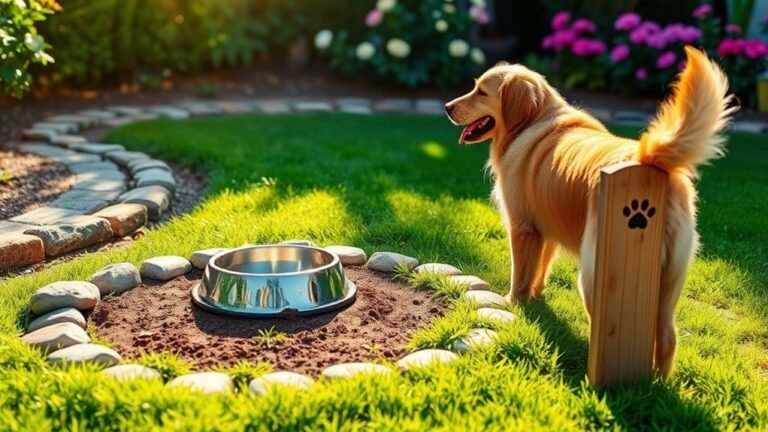
    Training your dog to poop in one spot makes bathroom breaks easier and keeps your yard looking nice. You need to be consistent and use some helpful tips to make this training work. By picking the right spot and sticking to a routine, you can help your dog succeed. Here are some easy steps to follow: 1. **Choose a Spot**: Find a specific area in your yard for your dog to use. Make sure it’s quiet and away from distractions. 2. **Take Them Out Regularly**: Take your dog to the spot at the same times every day. Regular trips help them understand where to go. 3. **Use a Command**: Teach your dog a word or phrase, like “go potty,” to use when you want them to poop. Say it every time you take them to the spot. 4. **Reward Your Dog**: When your dog poops in the right spot, give them praise or a treat. This helps them learn that they did a good job. 5. **Stay with Them**: Spend a little time with your dog in the chosen spot. This makes them feel comfortable and helps them relax. 6. **Be Patient**: It might take some time for your dog to learn. Don’t get upset if they forget. Just keep taking them back to the spot. 7. **Clean Up Regularly**: Keep the area clean. If your dog sees a mess, they might think it’s okay to go there. 8. **Change Locations If Needed**: If your dog doesn’t seem to understand, you can try another spot. Sometimes a new place works better for them. By following these steps, you can help train your dog to poop in one spot. With a little time and patience, you’ll have a cleaner yard and happier bathroom breaks!

  • Why You Shouldn’t Teach Your Dog to Beg

    Teaching your dog to beg might seem cute, but it can cause real problems. When dogs beg, they may eat too much food. This can make them overweight and unhealthy. Begging can also make them nervous because they might think they always need to impress you for treats. Plus, when you teach your dog to beg, it mixes up what they learn from you. They may not understand commands as well, which makes it harder to communicate with them. Instead of begging, try other fun activities with your dog. You can teach them to sit, stay, or roll over. These tricks are better for their health and help them behave well. Remember, a happy dog is a healthy dog!

  • 5 Ways to Manage an Aggressive Dog

    Managing an aggressive dog can be tough. It’s important to understand what makes them act this way. Start by watching your dog closely. Notice what makes them angry or scared. This can help you know when to step in. Using positive reinforcement is a key part of training. This means giving your dog treats or praise when they behave well. Trust builds when you reward good behavior. Creating a calm home is also very helpful. Make sure your dog has a safe space where they can relax. Reducing loud noises or sudden movements can lower their stress. Think about these steps: How can you help your dog feel safe? What changes can you make at home? By focusing on these questions, you can support your dog and help them feel better.

  • Golden Retrievers: Traits That Win Families Over

    Golden Retrievers make great family pets because of their wonderful traits. They are friendly and love to connect with people and other animals. This friendly nature adds warmth to any home. These dogs are also smart and easy to train. They learn commands quickly and enjoy showing off their skills. Their loyalty shines through as they stick by your side. This love and support can make family life brighter for everyone. Families benefit greatly from having a Golden Retriever. Their playful attitudes can lift spirits, and their companionship can help everyone feel less lonely. They bring joy to homes and help create wonderful memories. In short, Golden Retrievers are more than just pets. They are loving friends that can enhance family life in many ways.

  • 8 Gentle Remedies for Teething Puppies

    Teething can be hard for your puppy. It makes their gums hurt and can be frustrating for them. As a loving owner, you want to help ease their pain and keep them busy. Luckily, there are some simple ways to help your puppy feel better during this time. Let’s look at some gentle remedies that can really help your furry friend. 1. **Frozen Washcloths**: Wet a washcloth and freeze it. When it’s cold, give it to your puppy. Chewing on a frozen washcloth can make their gums feel better. 2. **Ice Cubes**: You can also give your puppy ice cubes to chew on. They are cold and soothing for sore mouths. 3. **Chilled Toys**: There are many toys you can put in the freezer. A cold toy can be fun for your puppy and help with teething. 4. **Soft Chews**: Soft chews made for puppies can also help. They are easy for your puppy to chew and taste good too! 5. **Carrots**: A raw carrot can be a healthy treat. It’s crunchy and can help massage your puppy’s gums. 6. **Baby Washcloths**: Throw a baby washcloth in the fridge. Let your puppy chew on the cold cloth to help ease their discomfort. 7. **Teething Toys**: Look for toys made just for teething puppies. They are designed to help with sore gums and keep your puppy occupied. 8. **Massage Their Gums**: You can gently rub your puppy’s gums with your finger. This can feel nice and help with the pain. These remedies are simple and can really make a difference. They help your puppy feel better while also keeping them busy and happy during the teething process.

  • Is Social Media Ruining Dog Training?

    Social media has changed how we train dogs. It gives us quick tips and stories from other dog owners. But sometimes, it spreads wrong information that can be harmful. Many viral trends look good but don’t have any science to back them up. When you come across tips online, take a moment to think about them. It is important to check if the info is trustworthy. Look for advice from experts or reliable sources. So, how can you find the right information in all the noise on social media? Stay curious and keep asking questions. Your dog’s training is important, so make sure you’re getting the best advice possible!

  • Six Types of Dog Growling Explained

    Understanding your dog’s growls is important. Each growl has its own meaning. These sounds show how your dog feels. Some growls show happiness, while others might signal worry or pain. There are six types of growls you should know about: greeting, playful, warning, fearful, and pain-related. Each one tells you something special. Knowing these growls can help you connect better with your dog. Let’s break it down. A greeting growl means your dog is happy to see you. A playful growl happens during fun times, like when your dog wants to play. A warning growl signals that something feels off or scary to your dog. A fearful growl shows that your dog is scared and might need comfort. Lastly, a pain-related growl shows your dog is hurt or uncomfortable. By learning these growls, you become a better friend to your dog. You can respond in a way that makes them feel safe and loved. Understanding your dog’s sounds can make your bond stronger.

  • How Long Can a Dog Go Without Eating?

    Knowing how long your dog can go without eating is important for their health. Generally, dogs can last about three to five days without food. However, this can change depending on their age, weight, and health. It’s crucial to pay attention to these factors to keep your pet healthy. If your dog stops eating, watch for signs that something might be wrong. Look for changes in energy levels, behavior, or other health issues. If your dog goes without food for more than a day or shows any strange signs, it’s best to contact your vet. Taking care of your dog’s eating habits is key to their well-being. Make sure to monitor their food intake and consult a pet expert if needed. Your furry friend deserves the best care!