
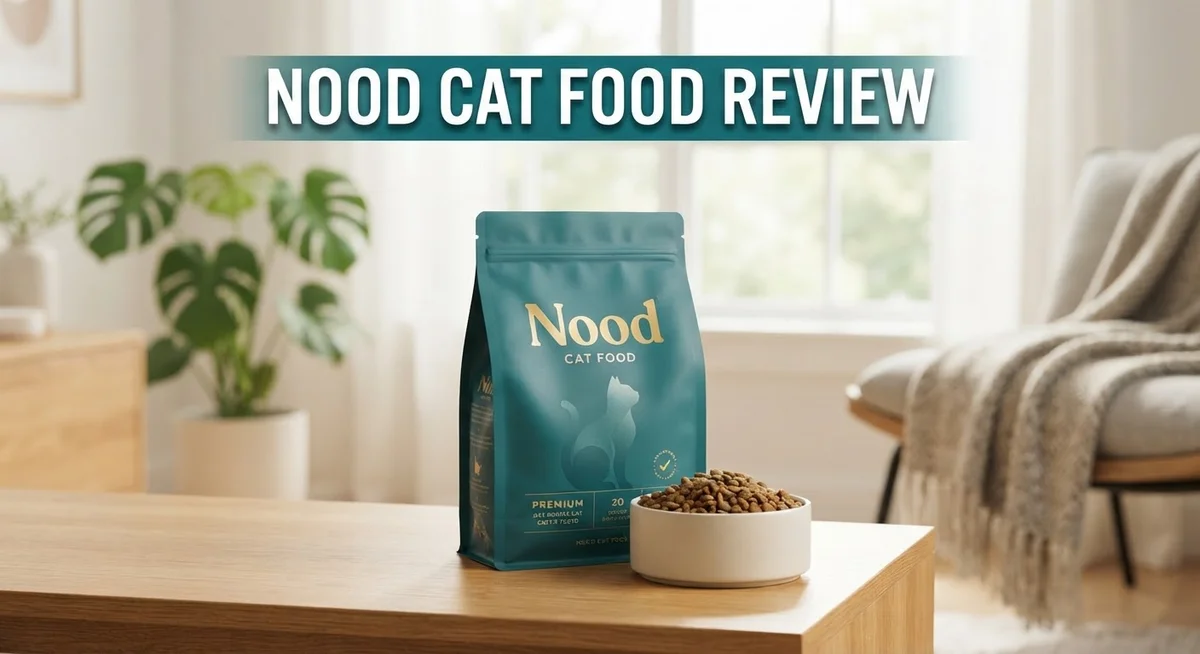
NOOD Cat Food Review: Ingredients, Quality & Performance
Choosing the right food for your cat can feel tricky. There are so many brands on the shelf. NOOD Cat Food is one option that has caught the attention of many pet owners.
This brand offers both dry and wet formulas. Each recipe uses real chicken as the main ingredient. That’s a great start for any cat parent who wants quality protein.
NOOD also adds probiotics, vitamins, and minerals to its recipes. You’ll even find superfoods like blueberries and spinach mixed in. These extras support your cat’s overall health.
Made in Thailand by an American brand, NOOD aims to serve cats of all life stages. There’s even a senior formula for cats aged seven and up.
But is NOOD really the right choice for your furry friend? Does it stack up against competitors like Felix and Gourmet?
In this review, we’ll break down everything you need to know. We’ll cover the ingredients, the pros, and the cons. By the end, you’ll know if NOOD deserves a spot in your cat’s bowl.
In a Nutshell
Here is what you need to know about NOOD cat food before you decide.
-
Real chicken leads the ingredient list in the dry formula. This gives your cat a good source of protein right from the start.
-
Rice and tapioca appear in large amounts. These act as fillers and may not suit cats who need a low-carb diet.
-
Wet food formulas stand out for their quality. They contain low-carb recipes that many cats enjoy.
-
Superfoods like blueberries and spinach are mixed into the recipes. NOOD also adds probiotics and vitamins to support your cat’s health.
-
Fussy eaters often respond well to NOOD’s wet pouches. The taste and texture seem to appeal to picky cats.
-
The senior formula draws mixed reviews. Some reviewers feel it does not fully meet the needs of older cats.
NOOD brings some genuine strengths to the table. But it also carries a few drawbacks worth thinking about before you switch your cat’s food.
Ingredient Quality and Nutritional Profile
NOOD cat food puts real chicken first in its dry formula, which gives your cat a solid protein source. Chicken provides amino acids that cats need to stay healthy and active.
The ingredient list also includes rice and tapioca in significant amounts. These are carbohydrate fillers that bulk up the food without adding much nutritional value. Cats are carnivores, so they process meat better than grains. If your cat struggles with weight or digestion, this high carb content may not work well for them.
The wet food formulas perform better on the nutrition front. NOOD includes probiotics in these recipes, which support gut health and digestion. Your cat’s stomach benefits from these helpful bacteria, especially if they have sensitive digestion.
Superfoods appear throughout NOOD’s wet options. Blueberries and spinach add vitamins and antioxidants that support immune function. These ingredients show the brand thinks beyond just basic nutrition. Your older cat or picky eater may find these flavors more appealing than plain meat.
NOOD offers a senior formula for cats aged 7 and older. This version aims to meet the changing needs of aging cats. However, some reviewers question whether it truly addresses senior cats’ specific requirements. You may want to check with your vet before switching to this formula.
The mineral and vitamin balance in NOOD formulas appears adequate for most cats. The brand adds these nutrients to ensure your cat gets complete nutrition. Still, the exact percentages vary between dry and wet options.
Fussy eaters respond well to NOOD’s wet pouches. The quality of ingredients and flavor variety help picky cats accept their meals. This makes NOOD a solid choice if your cat refuses other brands.
Overall, NOOD delivers decent nutrition with real meat as the base. The wet formulas outshine the dry options. The high filler content in dry food is the main drawback. Compare NOOD against competitors like Felix and Gourmet to see which suits your cat’s specific needs best.

- Fuel Your Cat Like an Athlete: High protein, real deboned chicken is the first ingredient in this Nulo...
- Radiant Skin and Coat: Packed with omega-3 and omega-6 fatty acids from fish, plus biotin, zinc, and copper...

Last update on 2026-07-27 / Affiliate links / Images from Amazon Product Advertising API
Dry vs Wet Formula Comparison
Dry formulas and wet formulas serve different purposes for your cat’s health and lifestyle. Understanding which one works best helps you make the right choice.
NOOD’s dry formula relies on chicken as its main protein source. Rice and tapioca make up a large portion of the recipe. This means your cat gets carbohydrates alongside protein. Cats are carnivores, so they don’t need many carbs to thrive. If your cat struggles with weight or digestion, the dry formula may not be ideal.
Wet formulas from NOOD take a different approach. These pouches contain less filler and more moisture. Your cat gets hydration with every meal, which supports kidney health and urinary function. The wet options also feature superfoods like blueberries and spinach mixed throughout.
Texture matters too. Some cats prefer the crunch of dry kibble. Others love the soft, meaty texture of wet food. Fussy eaters often respond better to NOOD’s wet pouches because the flavor and consistency appeal to pickier palates.
Digestibility differs between the two formats. Wet food moves through your cat’s system more easily. Dry kibble requires more digestive effort. Cats with sensitive stomachs may handle wet formulas better overall.
Storage and convenience play a role in your decision. Dry food stays fresh longer and takes up less space. Wet pouches need refrigeration after opening and spoil quickly. If you travel or have a busy schedule, dry food simplifies feeding routines.
Cost per serving varies based on format. Dry formulas typically stretch further because you feed smaller portions. Wet formulas require larger daily amounts to meet caloric needs.
The best choice depends on your cat’s age, health, and preferences. Young, active cats might thrive on dry kibble. Senior cats or those with kidney issues benefit from wet food’s extra moisture. Some cat owners mix both formats to get advantages of each option. Start by observing how your cat responds to each formula type.
Suitability for Different Cat Life Stages
NOOD cat food comes in formulas that match different life stages. Your cat’s age plays a big role in which formula works best.
Kittens need extra calories and nutrients for growth. NOOD’s standard formulas can support young cats, though the brand doesn’t market a specific kitten line. The protein content from real chicken helps developing muscles and bones. Many kitten owners mix wet and dry options to keep meals interesting and boost hydration.
Adult cats aged 1 to 7 years thrive on NOOD’s core range. The dry kibble provides daily nutrition for active cats. The wet pouches offer variety and help with water intake. Adult cats benefit from the probiotics and vitamins included in both formats. These ingredients support digestion and immune health during their most energetic years.
Senior cats aged 7 and older have unique needs. NOOD offers a dedicated senior formula for this group. Older cats often need softer food that’s easier to chew and digest. The senior line addresses these concerns, though some reviewers note mixed results. Not all senior cats show equal improvement on this formula compared to others on the market.
Cats with specific health needs may require adjustments. Overweight cats might benefit from the low carb wet options. Cats with sensitive digestion often respond well to NOOD’s wet pouches due to easier digestibility. The probiotic content supports gut health across all life stages.
Transition matters when switching formulas. Gradual mixing of old and new food prevents digestive upset. This applies whether you’re moving between life stage formulas or switching from another brand entirely.
The wet and dry combinations work well for multi cat households. You can offer dry kibble to younger, active cats while serving wet food to seniors. This flexibility lets you customize nutrition without buying multiple brands.
NOOD’s range covers most life stages adequately, though the senior formula deserves careful consideration based on your individual cat’s response.
Top 3 Alternatives
Purina Pro Plan

- Hard kibble dog food combined with tender, shredded pieces for taste and texture dogs love
- High protein dog food formula, with real chicken as the first ingredient
Last update on 2026-07-22 / Affiliate links / Images from Amazon Product Advertising API
Purina Pro Plan offers complete nutrition for cats with various health needs. This brand focuses on real meat as the first ingredient, which supports muscle development and maintenance. Many cat owners report that their pets have shinier coats and better digestion after switching to this formula.
The product line includes options for weight management, urinary health, and sensitive stomachs. Cats with specific dietary requirements often thrive on these specialized formulas. Veterinarians frequently recommend Purina Pro Plan because it meets AAFCO standards and includes beneficial probiotics.
Royal Canin Feline

- FORMULATED FOR INDOOR CATS: Royal Canin Adult Indoor Cat Food Dry Formula is formulated for indoor cats...
- HAIRBALL CAT FOOD: An optimal blend of fiber for cats helps pass ingested hair through the digestive system to...
Last update on 2026-07-27 / Affiliate links / Images from Amazon Product Advertising API
Royal Canin Feline creates breed-specific and health-condition-specific diets for cats. This brand uses precise nutrient ratios to address particular feline needs. Owners notice their cats maintain healthy weight and show improved energy levels with this food.
The formulas contain high-quality proteins and fiber blends that support digestive health. Cats with urinary issues, hairball concerns, or dental problems find relief through Royal Canin’s targeted nutrition. Veterinary clinics often stock this brand because it delivers measurable health results.
Hill’s Science Diet

- Triple support for stomach, skin and immune system health
- Highly digestible formula with prebiotic fiber that is gentle on the stomach for optimal nutrient absorption
Last update on 2026-07-27 / Affiliate links / Images from Amazon Product Advertising API
Hill’s Science Diet combines scientific research with practical nutrition for feline wellness. This brand emphasizes balanced minerals and vitamins that support overall cat health. Pet owners observe better litter box habits and coat quality when feeding Hill’s products.
The range includes formulas for indoor cats, weight management, and senior felines. Hill’s uses natural ingredients and avoids artificial colors or flavors. Veterinarians recommend Hill’s Science Diet for cats with digestive sensitivities or health conditions requiring dietary intervention.
Palatability and Fussy Eater Performance
When your cat turns their nose up at mealtime, NOOD cat food offers real solutions. Fussy eaters often respond well to NOOD’s wet pouches because the flavors and textures appeal to picky palates. The real chicken in these formulas makes a noticeable difference for cats that reject generic options.
Texture plays a huge role in whether your cat will eat. NOOD’s wet food has a consistency that many selective cats prefer over dry kibble. The gravy coating and soft meat pieces create an appealing eating experience. Your cat gets moisture too, which supports their hydration and overall health.
Flavor variety helps when you’re dealing with a fussy eater at home. NOOD offers different wet pouch options so you can rotate flavors and prevent boredom. Some cats lose interest if they eat the same meal repeatedly. Switching between varieties keeps mealtimes interesting.
The ingredient quality matters for picky eaters. NOOD puts real chicken first, not meat by products or vague protein sources. Cats can taste the difference between quality meat and fillers. This transparency in ingredients often convinces selective eaters to finish their bowl.
Transition strategy affects how well your fussy eater accepts NOOD. If your cat currently eats something else, mix the new food gradually with their current meal. Start with mostly old food and small amounts of NOOD. Over 7 to 10 days, increase the NOOD portion slowly. This gentle approach prevents digestive upset and gives your cat time to adjust to new flavors.
Some cats need extra encouragement. Warming the wet food slightly can release more aroma and make it more appealing. The stronger scent helps attract cats that are hesitant about trying something new.
NOOD’s wet formulas stand out for fussy eaters because they combine real meat, appealing textures, and enough flavor variety to keep selective cats satisfied. If your cat has rejected other brands, NOOD deserves consideration as your next option.
Value for Money and Availability
NOOD cat food shows up in most pet stores across Australia, though availability varies by region. You’ll find it readily at major retailers like Coles and Woolworths. Smaller independent pet shops may stock limited varieties, so calling ahead helps.
Online shopping offers another route. Many Australian pet retailers deliver NOOD products to your door within a few days. This option works well if your local store doesn’t carry the specific formula your cat needs.
The dry and wet formulas differ in shelf presence. Wet pouches appear more frequently in supermarket aisles. Dry kibble sometimes requires special ordering, especially for the senior formula. Stock levels fluctuate seasonally, so availability isn’t always guaranteed.
NOOD competes directly with Felix and Gourmet in the same retail spaces. You’ll often see all three brands sitting on adjacent shelves. Scrumbles represents another competitor with similar wet pouch options. This competition actually benefits cat owners because retailers maintain steady stock to meet demand.
Regional differences matter. Urban areas enjoy better selection than rural locations. Capital cities typically stock the full NOOD range. Regional towns may only carry popular formulas like the adult dry kibble.
Seasonal availability affects certain products. Winter months see higher demand for wet food, which can impact stock levels. Summer brings more interest in dry formulas for outdoor and active cats.
Subscription services through online retailers provide consistent access without hunting store shelves. This approach guarantees your cat’s regular food arrives on schedule. Many services offer slight ordering flexibility when you need to switch formulas.
The senior formula presents unique availability challenges. Some stores don’t stock it regularly due to lower demand. Online ordering becomes essential if your older cat needs this specific formula.
Checking multiple retailers helps locate preferred varieties quickly. Different stores stock different NOOD ranges based on customer demand patterns. Building relationships with local pet shop staff can alert you to incoming stock.
Overall, NOOD remains accessible across most Australian regions through multiple channels. Availability suits most cat owners’ shopping preferences and schedules.
Pros and Cons
Pros
- Real chicken serves as the primary ingredient in dry formulas
- Probiotics and added vitamins support your cat’s digestive health
- Wet food options work well for fussy eaters who prefer moisture and texture
- Low carb wet formulas suit cats that need lighter meals
- Superfoods like blueberries and spinach add nutritional variety
Cons
- Rice and tapioca make up a large portion of the dry kibble, acting as fillers
- Some nutrient percentages fall short of what certain cats require
- The senior formula (7+ years) receives mixed reviews from cat owners
- Regional availability limits where you can find NOOD products consistently
Who Should Buy It
NOOD cat food works best for specific cat owners and situations. Understanding who benefits most helps you decide if this brand fits your needs.
Cat owners with fussy eaters find NOOD particularly useful. If your cat rejects most foods, the wet formulas offer real meat and appealing textures that encourage eating. The variety of flavors means you can rotate options to keep mealtime interesting.
Owners seeking real chicken as a main ingredient appreciate NOOD’s dry formulas. You get actual meat rather than by-products or mystery proteins. This matters if you want transparency about what goes into your cat’s bowl.
Senior cat owners might consider NOOD’s 7+ formula, though reviews suggest checking individual product details first. Older cats sometimes need gentler nutrition, and this line attempts to address those needs. However, verify the specific nutrients match your senior cat’s requirements.
Cats with digestive sensitivities may benefit from the probiotics and added vitamins in NOOD formulas. These ingredients support gut health and nutrient absorption. If your cat struggles with digestion, this feature deserves attention.
Australian pet owners in major cities enjoy easier access to NOOD products. The brand appears in most pet stores across populated areas. Online shopping expands availability for those in remote regions or who prefer home delivery.
Owners who prefer wet food options find NOOD’s pouches and cans appealing. The low carb wet formulas suit cats needing lighter meals. Moisture content helps cats stay hydrated, which matters for feline health.
Budget conscious shoppers who don’t want to compromise on real ingredients find value here. You get actual chicken without paying premium prices for boutique brands.
However, NOOD may not suit you if your cat needs grain free options or if you prioritize minimal filler content. The high rice and tapioca levels concern some owners focused on low carbohydrate diets.
Consider NOOD if these factors match your situation. Your cat’s individual needs, your location, and your feeding preferences all play a role in whether this brand becomes your regular choice.
Final Verdict
NOOD cat food earns a solid spot among everyday cat food brands. It brings real chicken, probiotics, and thoughtful extras like blueberries and spinach to the bowl. That combination makes it a reasonable pick for many households.
Cats with sensitive tummies or picky habits often respond well to this brand. The wet formulas shine brightest, offering moisture and flavor that most cats enjoy. Dry kibble does its job too, though it leans on rice and tapioca more than some owners prefer.
Nutrient levels deserve a second look before you commit fully. Some formulas may not hit the mark for every life stage or health condition. Talking to your vet helps you match the right product to your cat’s specific needs.
The senior formula remains a gray area. Reviews are mixed, and older cats often need precise nutrition. If your cat falls into this age group, read labels carefully and watch how they respond after switching.
Overall, NOOD works best as a solid everyday choice rather than a specialized diet. It suits cats without major health issues who simply need tasty, balanced meals. Owners looking for premium-grade nutrition packed with high meat content might want to compare other brands first.
Think about your cat’s unique needs before making a final call. A young, healthy cat with no dietary restrictions will likely thrive on NOOD’s formulas. A senior cat or one with specific health concerns might need something more targeted.
Trial and error often plays a role in finding the perfect cat food. Start with a small pack, watch your cat’s reaction, and adjust from there. Their coat, energy, and litter box habits will tell you if the formula fits.
In the end, NOOD delivers dependable quality for cats with standard nutritional needs. It won’t replace vet-recommended therapeutic diets, but it holds its own as a daily feeding option. Give it a try and see how your cat responds.
Frequently Asked Questions
Is NOOD cat food suitable for senior cats?
NOOD offers a senior formula for cats aged 7 and older. However, reviews from cat owners show mixed results with this specific product. Some seniors thrive on it, while others experience digestive issues or nutrient gaps.
Before choosing the senior formula, check the nutrient breakdown on the packaging. Compare it against your vet’s recommendations for your cat’s age and health status. Every senior cat has different needs, so what works for one may not suit another.
Can NOOD help with picky eaters?
Yes. NOOD’s wet food options appeal to many fussy cats. The moisture content and texture often attract cats that turn their nose up at dry kibble alone.
You can also mix NOOD wet food with their current dry formula to make meals more interesting. Start with small portions and gradually increase the wet food ratio if your cat responds well.
What makes NOOD different from Felix or Gourmet?
NOOD uses real chicken as the primary ingredient in dry formulas, which sets it apart from some competitors. The brand also includes probiotics and added vitamins for digestive support.
Felix and Gourmet offer similar wet food options, but NOOD’s low carb wet formulas provide an alternative if your cat needs lighter meals. Availability differs by region, so check local pet stores or online retailers for stock.
Does NOOD contain fillers?
Yes. Rice and tapioca make up a significant portion of NOOD’s dry kibble. These ingredients keep production costs manageable but add less nutritional value than whole proteins.
If your cat thrives on grain free or low filler diets, NOOD’s dry formulas may not be ideal. The wet food options contain fewer fillers overall.
