
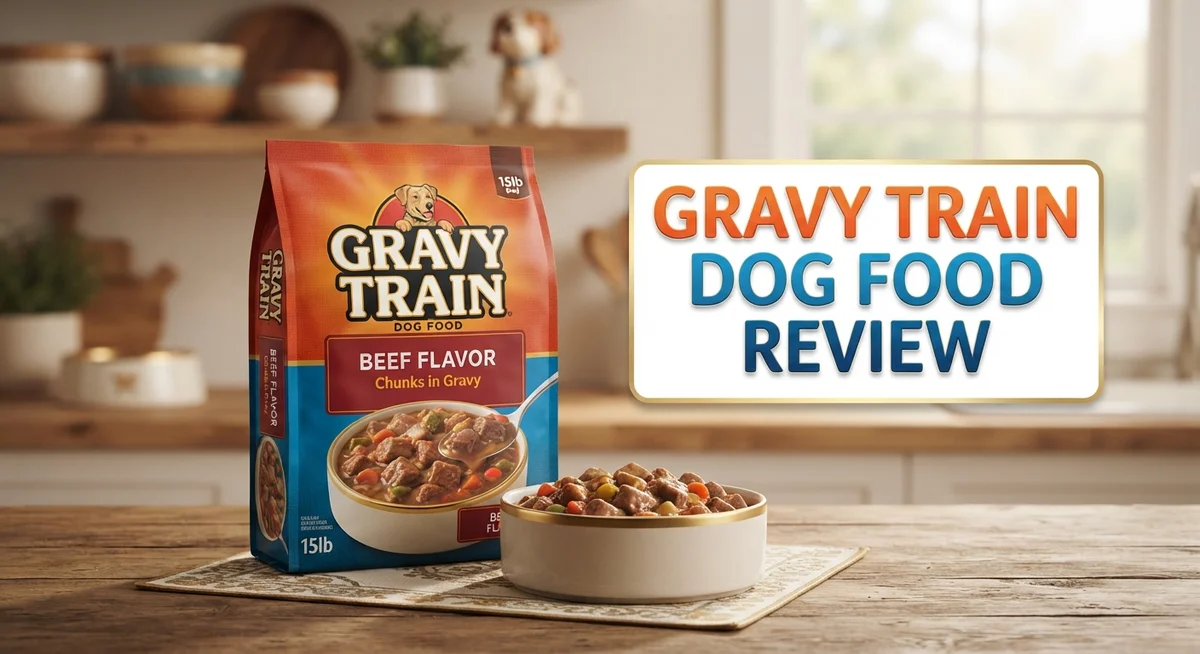
Gravy Train Dog Food Review: Ingredients, Nutrition, and Palatability Analysis
Gravy Train dog food sits on many store shelves today. You probably remember the jingle from TV ads years ago. But does this classic brand still hold up in today’s pet food market?
This review digs into what Gravy Train really offers your dog. We look at its wet and dry formulas, including beef, bacon, and beefy classic flavors. We also check how it performs for everyday feeding.
Many dog owners love how much their pets enjoy this food. It works well for picky eaters who turn their nose up at other brands. The dry kibble even mixes with water to create a gravy style meal dogs go crazy for.
However, some concerns exist too. High carb content and reports of digestive upset raise questions about overall quality.
So is Gravy Train the right choice for your furry friend? We break down the real pros and cons. You will find honest facts about ingredients, taste appeal, and potential health impacts.
Keep reading to see if this popular formula matches your dog’s needs and your peace of mind.
In a Nutshell
Gravy Train offers both wet and dry dog food formulas. Dogs can enjoy flavors like beef, bacon, and beefy classic varieties.
Here’s what you need to know at a glance:
-
Taste appeal: Most dogs find this food highly palatable. Picky eaters often surprise their owners by finishing every bite.
-
Feeding flexibility: The dry formula works two ways. Serve it dry or mix it with water for a gravy style meal your dog will love.
-
Nutritional concerns: This food contains high carbohydrate levels. Some nutrition experts worry this exceeds what carnivores truly need.
-
Digestive reactions: A few dogs experience diarrhea or vomiting after eating this food. Sensitive dogs may struggle during the transition period.
-
Owner experiences vary: Some pet parents report healthy, active dogs thriving on this diet. Others notice quality concerns raised by nutrition focused reviewers.
-
Bag size: You can find this food in 35 lb bags, perfect for multi dog households.
Overall, Gravy Train works well for some dogs but not all. Watch your dog’s reaction closely when trying this food.
Nutritional Profile and Ingredient Quality
Gravy Train dog food uses a mix of ingredients that spark honest conversations among pet owners. Let’s look at what actually goes into your dog’s bowl.
The ingredient list starts with meat and meat by products. Beef appears as a primary protein source in most formulas. The food also includes corn, soybean meal, and wheat as carbohydrate bases. These grains make up a significant portion of the overall formula.
Carbohydrate content stands out as a major concern. Dogs are carnivores by nature, and their bodies thrive on higher protein and fat ratios. Gravy Train formulas exceed the 30% carbohydrate threshold that many nutrition experts recommend for dogs. This high carb load comes directly from grain ingredients like corn and wheat.
The nutritional profile shows moderate protein levels but relies heavily on plant based sources rather than animal proteins. This combination affects how your dog’s body processes and digests the meal. Some dogs handle this formula fine, while others show clear signs of struggle.
Digestive sensitivity appears linked to the ingredient quality. When dogs switch to Gravy Train, some owners report diarrhea or vomiting within days. These reactions suggest the ingredients or their ratios don’t match every dog’s digestive system. Dogs with sensitive stomachs often struggle most with this food.
The wet formulas contain gravy as a key feature. This gravy adds moisture and flavor appeal, which explains why many dogs find it so tasty. However, the gravy also contributes additional carbohydrates and sodium to the meal.
Ingredient quality falls below premium standards used in higher end dog foods. The use of meat by products instead of whole meat proteins limits nutritional density. By products include parts that whole meat doesn’t, which affects overall nutrition value.
Your dog’s individual needs matter most here. Some dogs with hardy digestive systems do well on Gravy Train. Others need higher quality proteins and lower carbohydrate options. Consider your dog’s age, activity level, and any existing digestive issues before choosing this food.

- Gravy Train Meaty Classic Beef Liver & Bacon Flavor Dog Food 14 Pounds
Last update on 2026-07-27 / Affiliate links / Images from Amazon Product Advertising API
Flavor Variety and Palatability
Gravy Train offers several flavor options that appeal to different dogs. The brand focuses on beef, bacon, and beefy classic varieties. These flavors come in both wet and dry formats, giving owners flexibility in how they serve meals.
Dogs respond very well to these flavors. Most pets find Gravy Train highly palatable and enjoyable. This makes it a solid choice if your dog is a picky eater. Many owners report their dogs eat with enthusiasm and finish their bowls quickly.
The dry formula adds another layer of appeal. You can serve it dry as a traditional kibble. You can also mix it with water to create a gravy style meal. This dual serving method keeps mealtime interesting for your pet.
However, flavor appeal doesn’t tell the whole story. Palatability masks some underlying nutritional concerns. Dogs love the taste partly because of high carbohydrate content and added fats. These ingredients make the food taste rich and satisfying to your dog’s palate.
The wet formulas feature gravy as a key component. This gravy coating adds moisture and flavor that dry kibble alone cannot match. Many dogs find wet food more enticing than dry options. The combination of meat pieces and savory gravy creates strong taste appeal.
Some dogs experience digestive upset despite loving the flavor. This suggests the taste appeal comes from ingredients that don’t suit every dog’s stomach. Transitioning too quickly to Gravy Train can trigger diarrhea or vomiting in sensitive dogs. A gradual switch over several weeks helps reduce these reactions.
Owner experiences vary significantly when it comes to flavor acceptance. Some report their dogs thrive on Gravy Train and maintain healthy, active lifestyles. Others find their pets struggle with digestion despite eating enthusiastically. This inconsistency points to individual dog differences rather than flavor quality alone.
The bottom line: Gravy Train delivers strong flavor appeal that most dogs enjoy. The taste alone makes it a practical option for feeding time. Yet you should monitor your dog’s digestive response closely after starting this food.
Wet and Dry Formula Options
Gravy Train offers both wet and dry formulas, giving you flexibility in how you feed your dog. Each format serves a different purpose depending on your dog’s preferences and your feeding routine.
The dry formula works in two ways. You can serve it straight from the bag as traditional kibble. Or you can mix it with water to create a gravy style meal that mimics the wet food experience. This dual functionality appeals to owners who want options without buying multiple products.
The wet formulas come ready to serve. They feature gravy as the main component, which dogs find extremely appealing. Most dogs respond enthusiastically to the wet options because of their moisture content and rich flavor. The gravy coating makes each bite more interesting than plain kibble alone.
Flavor variety exists across both formats. Gravy Train includes beef, bacon, and beefy classic options. Dogs show strong interest in these flavors regardless of which formula you choose. The taste appeal remains consistent whether you pick wet or dry.
However, flavor appeal doesn’t guarantee digestive harmony. Some dogs love how these foods taste but experience stomach upset afterward. The wet formulas’ gravy base, while tasty, can trigger sensitivity in certain dogs. This happens even when dogs eagerly eat every bite.
The dry formula in 35 lb bags works well for households with multiple dogs. You get plenty of food without frequent restocking trips. The large bag size makes it convenient for managing multiple pets at once.
Your dog’s individual response matters most. Some dogs thrive on either wet or dry Gravy Train formulas. Others struggle with digestion despite showing enthusiasm at mealtime. The key is observing your dog’s reaction over the first few weeks.
Many owners appreciate having both options available. You might start with wet food for picky eaters, then transition to dry kibble. Or you could mix both formats together to create variety in your dog’s bowl. The flexibility between wet and dry gives you room to experiment and find what works best for your specific dog.
Top 3 Alternatives
Purina Pro Plan

- Number 1 veterinarian-recommended dog probiotic brand to support calm behavior (Kantar Veterinary Tracker...
- Calming dog food powder supplement supports dogs with anxious behaviors such as excessive vocalization...

Last update on 2026-08-04 / Affiliate links / Images from Amazon Product Advertising API
Purina Pro Plan offers a solid alternative for dog owners seeking premium nutrition. This brand focuses on advanced formulas that support different life stages and health needs. Dogs on Purina Pro Plan often show improved coat quality and better digestion. The brand includes specific recipes for sensitive stomachs, weight management, and senior dogs. Many pet owners report their dogs have more energy and enthusiasm at mealtime. Purina Pro Plan uses real meat as the primary ingredient in most formulas.
Royal Canin Dog Food

- SMALL BREED DOG FOOD: Royal Canin Small Adult Dry Dog Food for small dogs 10 months to 8 years weighing 9 to...
- IDEAL WEIGHT: Helps maintain ideal weight by meeting a small dog’s specific energy needs
Last update on 2026-07-22 / Affiliate links / Images from Amazon Product Advertising API
Royal Canin stands out for its science-backed approach to canine nutrition. This brand creates formulas based on extensive research into dog health and breed-specific needs. Royal Canin offers specialized diets for various conditions like kidney health, joint support, and digestive care. The brand provides options for different dog sizes, from small breeds to large dogs. Pet owners appreciate the consistent quality and the visible health improvements in their dogs. Royal Canin formulas often help dogs with allergies or food sensitivities.
Pedigree Complete Nutrition

- 100% Complete and Balanced For Adult Dogs: Pedigree Wet Dog Food Choice Cuts In Gravy is 100% complete and...
- Quality Recipe: Pedigree Choice Cuts In Gravy Adult wet dog food pouches offer a steam cooked, soft recipe...
Last update on 2026-08-04 / Affiliate links / Images from Amazon Product Advertising API
Pedigree Complete Nutrition delivers balanced meals at an accessible price point for everyday feeding. This brand includes essential vitamins, minerals, and proteins for adult dogs. Pedigree offers variety in flavors to keep mealtime interesting for picky eaters. The formula supports healthy skin, coat, and digestion in most dogs. Many households choose Pedigree for reliable, straightforward nutrition without premium pricing. This brand works well for dogs without specific health concerns or dietary restrictions.
Digestive Impact and Reported Side Effects
Gravy Train dog food triggers mixed digestive responses across different dogs. Some pups handle it without issues, while others experience noticeable problems within days of eating it.
Diarrhea stands as the most commonly reported side effect. Owners notice loose stools shortly after introducing this food. The high carbohydrate content plays a major role here. Dogs process carbs differently than humans do, and excessive amounts can overwhelm their digestive systems. When carbs exceed 30 percent of the diet, sensitive dogs often struggle.
Vomiting also appears in owner reports, though less frequently than diarrhea. Some dogs vomit during the transition period. Others vomit after eating Gravy Train for several weeks. This suggests individual sensitivity rather than a universal problem with the formula.
Transition timing matters significantly. Dogs switching to Gravy Train too quickly experience worse digestive upset. A gradual switch over 7 to 10 days helps some dogs adjust better. However, even slow transitions don’t prevent issues for dogs with sensitive stomachs.
The ingredient quality directly connects to these digestive problems. Plant based proteins and meat by products can be harder for some dogs to digest than whole meat sources. Your dog’s unique digestive system determines whether these ingredients cause trouble.
Not every dog reacts negatively. Many owners report their dogs eat Gravy Train without any digestive issues whatsoever. These dogs maintain healthy stools and show no signs of stomach upset. This variation highlights how individual dogs respond differently to the same food.
If your dog experiences diarrhea or vomiting on Gravy Train, stop feeding it and consult your veterinarian. Your vet can identify whether the food caused the problem or if another health issue exists. Some dogs simply need higher quality, more meat focused diets to thrive.
Monitor your dog closely during the first two weeks on any new food. Watch for changes in stool consistency, vomiting, or behavioral shifts. Your observations help determine whether Gravy Train works for your specific dog or whether a different formula suits them better.
Value for Money and Portion Sizes
Gravy Train serves households that need to feed multiple dogs without complicated meal prep. The 35 lb bags work well for this purpose, offering substantial quantities in a single purchase.
Portion control depends on your dog’s size and activity level. A small dog eats far less per day than a large dog. The feeding guidelines on the bag provide starting points, but you should adjust based on your individual pet’s needs. Some owners find they stretch each bag across several weeks. Others go through supplies faster with bigger breeds.
The dry formula gives you flexibility in how you serve meals. You can add water to create a gravy style meal, or serve it dry. This means one product works multiple ways depending on what your dog prefers that day. Many households appreciate this adaptability.
Portion sizes matter when digestive issues appear. If your dog experiences loose stools or vomiting, the problem might stem from portion size alongside ingredient quality. Starting with smaller amounts and gradually increasing helps some dogs adjust better. Rushing the transition often triggers the digestive upset that owners report.
The wet formulas come ready to serve straight from the can or pouch. These require no mixing or preparation. You simply open and feed. This convenience appeals to busy owners, though the format typically means smaller quantities per container compared to the dry bags.
Your dog’s individual response determines real value. A bag that lasts three weeks for one household might last only two weeks for another. Some dogs maintain healthy weight and energy on Gravy Train. Others struggle with digestion or skin issues. The actual value you receive depends entirely on how your specific dog responds.
Consider tracking how long each bag lasts in your home and monitoring your dog’s condition. This gives you concrete data about whether the portions and formula work for your situation. Keep notes on energy levels, coat quality, and digestive health. This information helps you decide if Gravy Train fits your household’s needs and your dog’s individual requirements.
Pros and Cons
Pros
- Dogs find Gravy Train highly palatable and appealing, making it great for picky eaters
- Both wet and dry formulas give you flexibility in how you serve meals to your dog
- Many owners report their dogs stay healthy and active while eating this food
- The dry formula comes in large 35 lb bags, which works well for multi-dog households
- Some dogs experience zero digestive issues on this food
Cons
- High carbohydrate content exceeds what carnivores need for optimal nutrition
- Diarrhea and vomiting occur in many dogs after eating this food
- Digestive sensitivity often appears during the transition period to this brand
- Nutrition focused reviewers criticize the ingredient quality as low tier
Who Should Buy It
Gravy Train works best for owners with multiple dogs who need straightforward feeding solutions. If you have two or more pups at home, the large 35 lb bags reduce how often you shop for food.
Picky eaters benefit most from this brand. Dogs that turn their noses up at other foods often find Gravy Train highly appealing. The flavors like beef and bacon make meals exciting for dogs that eat slowly or skip meals regularly.
You should consider Gravy Train if your dog has a history of staying healthy and active on budget foods. Some dogs thrive on this formula without any problems. Your vet can help you determine if your specific dog falls into this group.
This food suits owners who want meal flexibility. The dry formula lets you serve it plain or mix it with water to create a gravy-style meal. You choose how to prepare each serving based on your dog’s preferences.
Avoid Gravy Train if your dog has a sensitive stomach. Digestive issues like diarrhea and vomiting appear frequently in owner reports. If your dog experienced problems with other foods, this brand may cause similar reactions.
Skip this option if your dog needs lower carbohydrate meals. The high carb content exceeds what carnivores require for optimal nutrition. Dogs with specific dietary needs or health conditions may need different formulas.
Gravy Train doesn’t work for owners seeking premium nutrition. Nutrition focused reviewers criticize it as low quality. If you prioritize ingredient quality above all else, other brands might align better with your values.
You should test a small amount first if you’re switching from another brand. Transition timing matters significantly, and some dogs need gradual switches to avoid digestive upset. Monitor your dog closely for the first week on this food.
Gravy Train fits households that need simple, straightforward feeding without complicated meal prep. If you want grab and serve convenience with options for wet or dry formats, this brand delivers that experience. Your dog’s individual response remains the deciding factor in whether this food works for your situation.
Final Verdict
Gravy Train works for some dogs and fails for others. This split reaction sits at the center of every honest review.
Your dog’s unique digestive system decides the final outcome. No two pets react the same way to this formula.
Some dogs thrive on this food for years without a single issue. Their owners see steady energy, shiny coats, and happy mealtimes. These success stories are real and worth noting.
Other dogs struggle from the very first bowl. Loose stools, vomiting, and general discomfort show up fast. These reactions are also real and worth taking seriously.
The high carbohydrate content remains the biggest concern for nutrition experts. Dogs are carnivores by nature, and their bodies need protein more than grain based fillers.
Still, taste wins over many skeptical pets. Dogs seem to genuinely enjoy the flavor, which matters when a picky eater refuses everything else.
Think about your own dog’s history before deciding. Has your pet handled similar foods well in the past? Past patterns often predict future results with this brand.
Watch your dog closely during the first two weeks of feeding. Early signs of trouble usually appear quickly. Catching problems early saves both stress and cleanup.
Gravy Train is not a bad choice for every dog. It is simply not the right choice for every dog. That distinction matters more than any general rating.
Trust your observations over general reviews. You know your dog’s normal habits better than any article can describe. Small changes in energy or stool quality tell you everything you need to know.
If your dog tolerates the food well, there is little reason to switch. If problems appear and continue, it makes sense to try something else. Your dog’s comfort should always guide the final decision.
In short, Gravy Train offers a mixed but honest experience. Some pets flourish, some pets struggle, and your job is to watch closely and respond fast.
Frequently Asked Questions
Is Gravy Train safe for all dogs?
Gravy Train works well for some dogs but not for others. Your dog’s individual digestive system plays the biggest role in whether this food suits them. Dogs with sensitive stomachs often struggle with it, while others thrive on it for years without problems.
The high carbohydrate content matters most for dogs with specific dietary needs. If your dog needs lower carb meals, this brand may not be the best fit.
What should I do if my dog gets diarrhea or vomiting?
Stop feeding Gravy Train immediately if your dog shows these signs. Contact your veterinarian to rule out other health issues.
Some dogs experience digestive upset during the transition period to any new food. However, if problems continue after a few weeks, this brand likely isn’t right for your pet. Switch to a different formula and monitor your dog’s response closely.
Can I mix the dry formula with water?
Yes. The dry formula lets you serve it plain or mix it with water to create a gravy style meal. This flexibility appeals to owners who want different feeding options throughout the week.
Your dog gets the same nutrition either way. Mix it based on what your dog prefers and what works best for your household routine.
Why do some dogs love this food while others refuse it?
Taste preferences vary widely between individual dogs. Gravy Train’s strong flavor appeals to picky eaters and dogs that turn their noses up at other brands.
Other dogs simply don’t enjoy the taste or find it upsets their stomach. Watch your dog closely during the first two weeks. Early signs of trouble usually show up quickly, so you’ll know fast whether this food works for your pet.