Dogs Care

  • 10 Ways to Improve Dog Communication

    Improving how you talk to your dog can make your bond stronger. Paying attention to how your dog moves and sounds helps you see what they need and how they feel. Look for small signs that show if they feel safe or scared. When you use clear commands and reward them for good behavior, you build trust and understanding. Here are some simple ways to connect better with your furry friend: 1. **Watch Their Body Language**: Notice how your dog stands, wags their tail, or moves their ears. These signals tell you a lot about what they want. 2. **Listen to Their Sounds**: Dogs bark, whine, and growl for a reason. Pay attention to these sounds to understand their feelings. 3. **Use Clear Commands**: Choose simple words for commands. Stick to a few words like “sit” or “stay” so your dog learns quickly. 4. **Reward Good Behavior**: Give your dog treats or praise when they listen to you. This encourages them to repeat the behavior. 5. **Stay Calm**: Dogs pick up on your feelings. If you stay calm, they are more likely to be relaxed too. 6. **Spend Time Together**: Play, walk, or just cuddle with your dog. The more time you spend together, the more you’ll both understand each other. 7. **Create Routines**: Dogs feel secure with routines. Regular feeding, walks, and playtime help them know what to expect. 8. **Be Patient**: Sometimes, it takes time for a dog to learn. Be patient and keep trying. 9. **Use Positive Reinforcement**: Focus on what they do right. This builds their confidence and strengthens your bond. 10. **Talk Softly**: Use a warm, friendly tone when you talk to your dog. They will respond better to a loving voice. With these tips, you can make your relationship with your dog even better. Happy training!

  • 10 Signs Your Dog Is Happy or Needs More Love

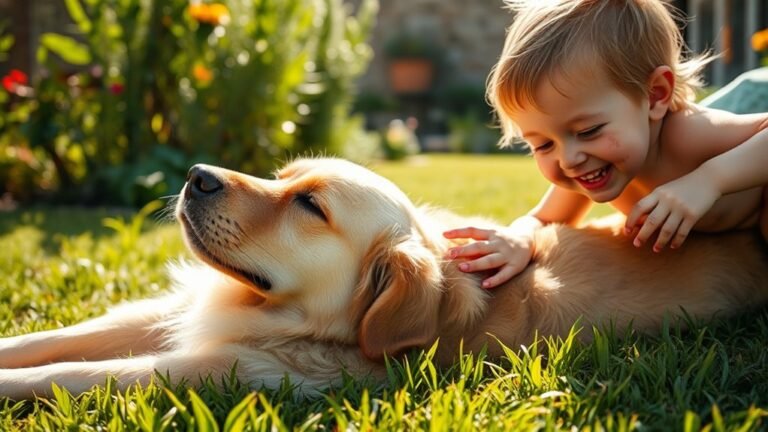
    Understanding your dog’s feelings can make your bond stronger. Do you see your dog’s tail wagging or their eyes looking soft? These small signs can show if they are happy or want more love. It is key to tell when they are doing well and when they need a little extra care. Pay attention to your dog’s actions. This helps you connect better with your furry friend. Let’s look at some signs that can show you how your dog feels.

  • 12 Ways Dogs Show Complete Trust

    Dogs show trust in many special ways. For example, they might sleep in positions that make them look vulnerable. They also love to snuggle close to you to feel safe. These small actions show how strong your bond is with your dog, and many pet owners really appreciate this connection. But there are even more ways your dog shows trust. By learning about these signs, you can better understand your furry friend and what they feel. This can make your relationship even more rewarding. How does your dog show its love for you?

  • 10 Stressors That Affect Your Dog

    As a dog owner, it’s important to see what might stress your furry friend. Loud sounds, big changes in their daily routine, and being left alone can all make dogs anxious or upset. Knowing these triggers helps you create a calm home. But stress can also come from other things you may not notice. Signs of stress might include hiding, barking more, or chewing on things they shouldn’t. Watch for these signs to help your dog feel better. Try to keep their environment cozy and safe. Remember, a happy dog makes a happy owner!

  • 12 Weird Dog Behaviors With Sweet Meanings

    Have you ever seen your dog spin in circles before lying down? This funny behavior has a special meaning. Each little thing your dog does, like chasing their tail or tilting their head, tells you how they feel and what they need. These actions show us a lot about their instincts and how they bond with us. When you understand these quirky behaviors, you can connect better with your furry friend and truly know what they are trying to say.

  • 10 Things Your Dog Wants You to Know After They’re Gone

    Losing your dog can feel like losing a piece of your heart. Their absence hurts, but their spirit stays with you. Think of all the happy moments you shared together. It’s okay to feel sad, but your dog wants you to find joy again. They would not want you to feel guilty while you heal. Let’s look at some of the simple lessons your dog might want to share with you. 1. **Cherish Memories**: Remember the fun times. Keep pictures or toys that remind you of them. 2. **Feel Your Feelings**: It’s okay to be sad. Allow yourself to cry and talk about your dog. 3. **Find Joy Again**: Your dog would want you to smile. Take time to do things that make you happy. 4. **Love Again**: If you’re ready, open your heart to another pet. Love is meant to be shared. 5. **Live in the Moment**: Enjoy each day. Your dog loved being with you in every moment. 6. **Stay Active**: Go for walks and play. Your dog loved these activities, and they can help you feel better. 7. **Be Kind to Yourself**: Healing takes time. Don’t rush yourself to feel okay. 8. **Talk About Them**: Share stories with friends or family. It keeps their memory alive. 9. **Create a Tribute**: You can make a special space or plant a tree in your dog’s honor. 10. **Remember the Love**: The love you shared will never go away. Hold onto that always. Your dog’s spirit will always be with you. Embrace the lessons they leave behind and allow yourself to heal.

  • 10 Ways Dogs Show You’re Their World

    Have you ever thought about how your dog shows love? Dogs are great at telling us how they feel. They might wag their tails or give you a special look. Each of these actions helps us see the bond we share. Knowing these signs can help you understand your pet better. So, what do your dog’s actions mean? Let’s look at ten ways dogs show they love you. 1. **Tail Wagging**: A wagging tail often shows happiness. If your dog’s tail is wagging, they are excited to see you! 2. **Eye Contact**: When your dog looks at you with soft eyes, it means they trust you. They want to connect and show they care. 3. **Leaning on You**: If your dog leans against you, they want to be close. This shows they feel safe and comfortable around you. 4. **Following You Everywhere**: Dogs are very loyal. If your dog follows you from room to room, it means they want to be near you. 5. **Bringing You Toys**: When your dog brings you their favorite toy, they want to play. It’s their way of showing they enjoy spending time with you. 6. **Licking You**: Dogs often lick to show affection. If your dog gives you a few licks, it’s like a big doggie kiss! 7. **Snuggling Up**: Dogs love to cuddle. When your dog snuggles with you, they are showing love and trust. 8. **Excited Greetings**: When you come home, does your dog jump and bark? This is their joyful way of saying, “I missed you!” 9. **Listening to You**: If your dog pays attention when you talk, they care about what you say. They are there for you, always. 10. **Protecting You**: If your dog stands by your side when there’s a stranger around, they are protecting you. They see you as part of their family. By recognizing these signs, you can feel how much your dog loves you. They truly see you as their whole world. Enjoy the special moments you share together!

  • 8 Tips to Train Your Dog to Poop in One Spot

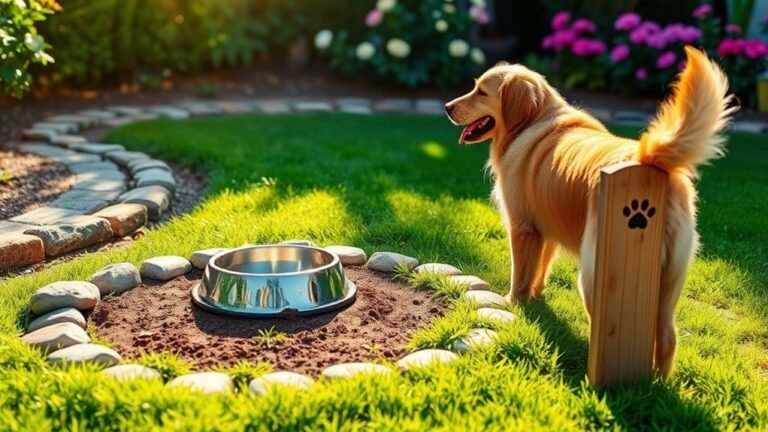
    Training your dog to poop in one spot makes bathroom breaks easier and keeps your yard looking nice. You need to be consistent and use some helpful tips to make this training work. By picking the right spot and sticking to a routine, you can help your dog succeed. Here are some easy steps to follow: 1. **Choose a Spot**: Find a specific area in your yard for your dog to use. Make sure it’s quiet and away from distractions. 2. **Take Them Out Regularly**: Take your dog to the spot at the same times every day. Regular trips help them understand where to go. 3. **Use a Command**: Teach your dog a word or phrase, like “go potty,” to use when you want them to poop. Say it every time you take them to the spot. 4. **Reward Your Dog**: When your dog poops in the right spot, give them praise or a treat. This helps them learn that they did a good job. 5. **Stay with Them**: Spend a little time with your dog in the chosen spot. This makes them feel comfortable and helps them relax. 6. **Be Patient**: It might take some time for your dog to learn. Don’t get upset if they forget. Just keep taking them back to the spot. 7. **Clean Up Regularly**: Keep the area clean. If your dog sees a mess, they might think it’s okay to go there. 8. **Change Locations If Needed**: If your dog doesn’t seem to understand, you can try another spot. Sometimes a new place works better for them. By following these steps, you can help train your dog to poop in one spot. With a little time and patience, you’ll have a cleaner yard and happier bathroom breaks!

  • Why You Shouldn’t Teach Your Dog to Beg

    Teaching your dog to beg might seem cute, but it can cause real problems. When dogs beg, they may eat too much food. This can make them overweight and unhealthy. Begging can also make them nervous because they might think they always need to impress you for treats. Plus, when you teach your dog to beg, it mixes up what they learn from you. They may not understand commands as well, which makes it harder to communicate with them. Instead of begging, try other fun activities with your dog. You can teach them to sit, stay, or roll over. These tricks are better for their health and help them behave well. Remember, a happy dog is a healthy dog!

  • 5 Ways to Manage an Aggressive Dog

    Managing an aggressive dog can be tough. It’s important to understand what makes them act this way. Start by watching your dog closely. Notice what makes them angry or scared. This can help you know when to step in. Using positive reinforcement is a key part of training. This means giving your dog treats or praise when they behave well. Trust builds when you reward good behavior. Creating a calm home is also very helpful. Make sure your dog has a safe space where they can relax. Reducing loud noises or sudden movements can lower their stress. Think about these steps: How can you help your dog feel safe? What changes can you make at home? By focusing on these questions, you can support your dog and help them feel better.