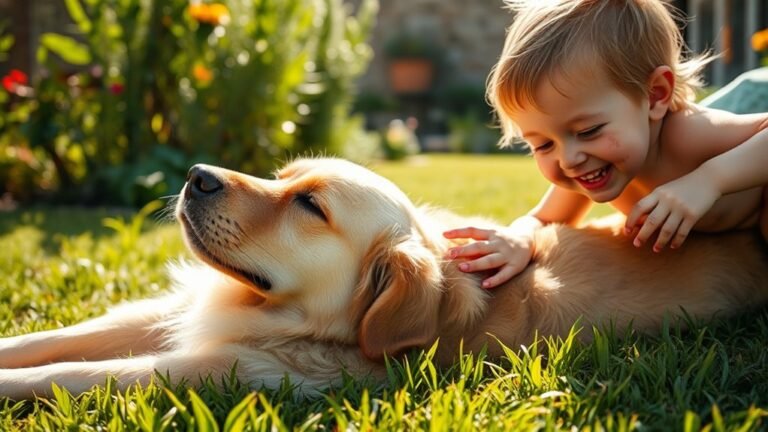
10 Things to Follow for Dogs in Retirement Homes
Bringing dogs into retirement homes can be a wonderful idea, but it's important to think about the needs of both the dogs and the people living there. First, make sure to check if the dogs are a good match for the residents. Having clear rules about how residents can interact with the dogs helps everyone understand what to expect.
Regular vet visits are important too. Keeping the dogs healthy and happy can make the atmosphere better for everyone. As you think about these simple steps, remember that the right choices can improve life for both the dogs and the residents. What do you think would make the biggest difference?
Key Takeaways
- Check each dog's needs and find the right residents to help everyone feel happy and connected.
- Make clear rules about how pets should behave, where they can walk, and where they can play outside.
- Have regular vet visits and keep up with vaccinations to help dogs stay healthy and catch any problems early.
- Make quiet spaces with soft beds and toys for dogs to relax, away from loud areas.
- Organize fun group activities to help residents and dogs interact and build friendships.
Assess Individual Dog Needs
When finding the right dogs for a retirement home, it's important to look at each dog's needs.
Start by checking their behavior. This helps you see how friendly they are, how much energy they have, and how well they get along with others. This way, you can match each dog with the right residents to create a happy place.
Next, think about where the dogs will live. Some dogs might love a quiet area, while others need more activities and interactions with people.
Check the space to make sure it's easy for both the dogs and residents to feel comfortable moving around.
By looking at these factors closely, you can create a warm and loving environment.
This helps both the dogs and residents build strong bonds, making everyone feel at home in the community.
Establish Clear Pet Policies
To welcome dogs in retirement homes, it's important to have clear pet rules that everyone can follow.
First, write down pet ownership guidelines that match what the residents want. Make sure to say where dogs can walk, what leash rules to follow, and where they can play and relax. It's also crucial to talk about vaccinations and good behavior to keep a happy place for everyone.
Make sure all residents feel comfortable. Encourage them to share their concerns or ideas.
When you revisit and update these rules, it helps create a strong community. Residents will feel good knowing their opinions matter.
Ensure Regular Health Checks
To keep pets and people happy in retirement homes, it's important to do regular health checks for dogs. Make sure to schedule vet visits so your dog gets the care it needs. Update their vaccines and treatments. These checks can help find any problems early, so your furry friend stays lively and comfortable with seniors.
The bond between residents and dogs is special, so we should prioritize their health. Encourage staff and families to share any worries about the dog's behavior or health. This builds a supportive community.
Stay in touch with the vet, who can offer helpful tips and advice. By committing to routine check-ups, you help not just the dogs but also bring more joy and a better quality of life to everyone in the retirement home.
Create Safe Spaces for Dogs
Creating safe spaces for dogs in retirement homes is very important. These areas help dogs feel calm and happy around people. Set up cozy spots with soft beds, fun toys, and shade for the dogs. This gives them a space to relax whenever they want.
Dogs enjoy having their own special areas to rest. Make sure these spaces are quiet and clean. Keep them away from busy areas where noise could upset the dogs. Encourage residents to respect these dog zones. This helps the pets feel like they belong too.
When you focus on these safe spaces, you create a peaceful and loving atmosphere. This makes everyone—both residents and dogs—feel more at home.
Promote Positive Social Interactions
Creating a friendly atmosphere in retirement homes can improve everyone's happiness. One great way to do this is by encouraging residents to interact with dogs. When residents bond with dogs, they often talk about their experiences and share stories. This brings people closer together.
You can organize fun activities like group dog walks or training sessions. These events help residents connect with each other while spending time with dogs.
Seeing dogs wag their tails can spark smiles and laughter, making the community feel warm and welcoming.
By creating chances for residents to form friendships with dogs and each other, you're promoting a cheerful and supportive environment. This helps everyone feel more at home and connected.
Let's celebrate those adorable pups and the joy they bring to our lives!
Provide Mental and Physical Activities
Playing with dogs can make residents feel happier and more connected. You can use fun toys that keep dogs busy and get everyone involved. For example, puzzle toys make it exciting for residents to talk and team up while they help their furry friends solve the puzzles.
Going for nature walks is another great way to bond. You can take slow walks around the area, letting both residents and dogs enjoy the fresh air and see new things together. This shared experience helps everyone feel closer.
Encourage Proper Training and Behavior
Training your dog is very important, especially in a retirement home. It helps everyone feel happy and safe. Use positive reinforcement, which means giving treats or praise when your dog does something right. This helps them learn what you want them to do.
Be consistent with your commands. Use the same words and actions each time so your dog knows what to expect. This makes it easier for them to understand and follow your rules. You can also use behavior management to stop any problems before they start. This keeps the peace and makes living together nicer for everyone.
Think about signing up for training classes or workshops. These can help your dog get used to being around other people and pets. It's a fun way to build your dog's skills and strengthen your bond.
When you work together, your dog feels loved and secure in the community. Remember, a well-trained dog shows how much you care. It can make life in the retirement home better for everyone there.
Monitor Noise Levels and Disturbances
Monitoring noise levels is important for dog owners in retirement homes. A quiet environment helps everyone stay calm and happy.
Dogs can be sensitive to loud sounds, which can make them anxious. Here are some easy tips to keep things peaceful:
- Keep conversations soft. Avoid yelling.
- Play soft music or use white noise. This can help cover sudden noises.
- Plan playtime when it's quiet.
- Teach staff and residents to be gentle around dogs.
With these steps, both residents and their furry friends can enjoy a peaceful place to live.
Foster a Clean and Hygienic Environment
To keep dogs happy in retirement homes, it's very important to have a clean and neat environment. When we follow good hygiene practices, each dog will feel safe and comfortable.
Regular grooming helps keep their fur nice and healthy, plus it stops the spread of bugs and allergens.
Make sure to have a routine for cleaning the common areas and the dogs' spaces. Remember to disinfect surfaces and pick up waste right away.
A fresh and clean place helps everyone thrive—the dogs and their caretakers.
By keeping things clean, you create a warm and inviting space where dogs feel like they belong. Show your care through these simple actions, and you'll see the dogs flourish in their new home.
Your hard work really makes a difference in their happiness and well-being.
Engage Residents in Pet Care Activities
A clean space is important for happy times with dogs and people. When residents help care for the pets, they make friends and feel useful.
Here are some fun activities to try:
- Grooming: Residents can brush or wash the dogs. This keeps the pets clean and helps them bond.
- Training: Residents can teach the dogs basic commands. This improves the dogs' behavior and gives a sense of achievement.
- Walking: Organize group walks. Residents get exercise and fresh air while caring for the dogs.
- Storytime: Residents can share stories about their own pets. This helps everyone connect better with the dogs.
These activities can bring joy and companionship, making every day special for both the residents and the dogs.
Frequently Asked Questions
Can Certain Breeds Adapt Better to Retirement Homes?
Some dog breeds do better in retirement homes because of their friendly nature. To help them adjust, you can introduce them gradually to new people and places. Keeping their daily routine familiar will also help them feel safe and at home in their new space. Making these small changes can really make a difference for them.
How Can We Address Dog Allergies in Residents?
You can help with dog allergies by finding out what causes them, like dust or dog hair. Once you know the triggers, you can make your home better for everyone. Keep your place clean by sweeping or vacuuming often. Use air filters to keep the air fresh. These simple steps can make life more comfortable for both you and your furry friend.
What Emergency Protocols Are in Place for Dog Incidents?
Dog safety is very important. We have clear steps to follow when there is a dog incident. Our staff knows what to do in an emergency. They provide quick help and support. They focus on keeping the dogs and the people safe.
If something happens, we have a plan. Staff will stay calm and act quickly. They will check if anyone is hurt and give first aid if needed. They will also work to calm the dogs involved.
After the incident, staff will talk to everyone about what happened. They will make sure to improve safety measures for the future. Communication is key, so everyone stays informed and feels safe.
Are There Restrictions on Dog Sizes in Retirement Homes?
Many retirement homes have rules about dog sizes. Usually, they allow small dogs. You must follow leash rules to keep everyone safe and happy. This helps create a friendly place for all residents.
How Can Residents With Mobility Issues Care for Dogs?
If you have mobility issues, you can still care for your dog. Use mobility aids like walkers or canes to help you move around. This will make it easier for you to take your dog for walks.
Consider working with a dog trainer. They can teach you and your dog new tricks and ways to play. This helps you both have fun together, no matter your abilities.
Also, think about the activities you and your dog enjoy. You can play fetch in a safe area or teach your dog to fetch you items. Remember, spending time with your dog makes you both happy!