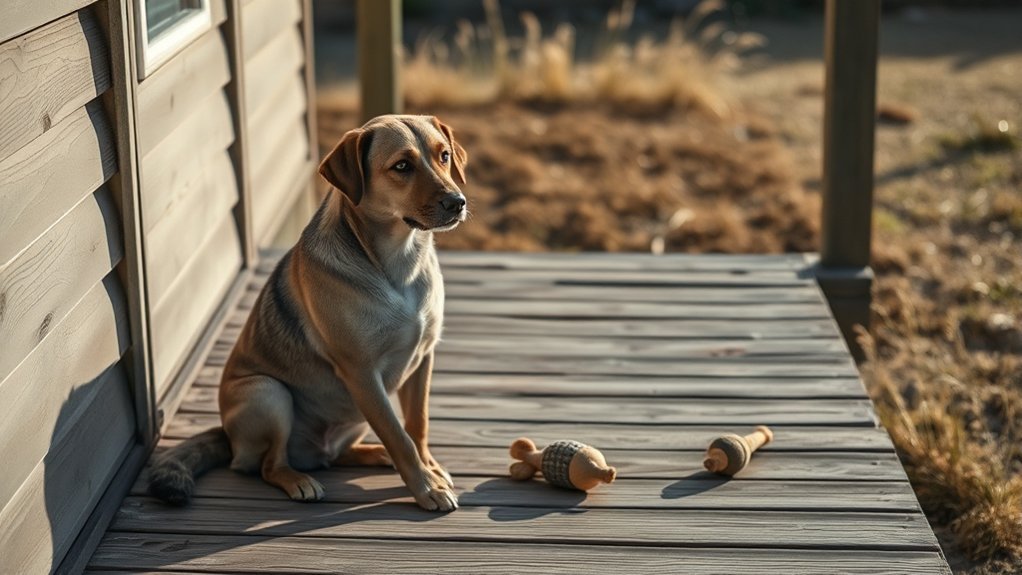
12 Signs of a Lonely Dog
If you see changes in your dog's behavior, loneliness might be a reason. Dogs show many signs when they feel lonely or stressed. They may bark a lot, hide, or seem tired. Recognizing these signs can help you take care of your dog's feelings. It's important to understand why they act this way. Let's look at these signs and what they mean for your furry friend.
Key Takeaways
Here are some signs that your dog might be feeling lonely:
- If your dog barks or whines a lot, it could mean they feel alone or are not getting enough attention.
- When a dog hides or withdraws, they may feel scared or upset.
- If your dog keeps following you around, they may need more support and love.
- Chewing on furniture or toys often happens because dogs are bored and don't have enough playtime.
- If your dog doesn't want to play, it might mean they feel lonely or bored.
Pay attention to these signs so you can help your furry friend feel happy and loved!
Excessive Barking or Whining
When your dog barks or whines a lot, it usually means they feel lonely or upset. Dogs might bark because they've separation anxiety or they're bored. They need company and can feel abandoned if left alone for too long.
To help your dog, you can use vocal training to manage their noise. This training can also help you bond better with them. You can teach your dog when to bark and when to be quiet by giving rewards for calm behavior.
This not only helps reduce the noise but also makes your furry friend feel loved and secure.
Destructive Behavior
When your dog chews on shoes, destroys furniture, or digs in the garden, it might mean they're feeling lonely.
These actions often happen because they're bored, anxious, or lack company. When a dog bites furniture or digs holes, they're trying to deal with those feelings.
These behaviors show that your dog needs more things to do. Dogs love to play and have a purpose. Without this, they may get into trouble.
To help your dog, increase your playtime together, give them puzzle toys, or set up playdates with other dogs.
Lack of Interest in Play
If your dog isn't interested in playing, it might mean they're feeling lonely or bored. When they ignore toys or don't respond when you try to play, it could show that they're sad or stressed.
Dogs need fun and friends. Playing together helps build your bond and satisfies their natural needs.
To help your dog get excited about play again, try new things like puzzle feeders or interactive toys. These can get their brains working and make them want to join in.
Watching how they act and changing what you do can help. By making playtime fun, you help your dog feel loved and happy. This creates a better, happier home for both of you!
Changes in Eating Habits
One clear sign to watch for is a change in how your dog eats. This change can mean your dog feels lonely or anxious.
When dogs are stressed, they might eat less or more than usual. You may notice your dog turning away from their favorite food or suddenly wanting treats they didn't care about before. These changes can show that your dog needs more love and support.
Paying attention to these signs is important. You can help your dog feel better by giving them extra attention.
Fun activities and a stable home can help your dog feel like they belong. This support may help improve their eating habits and make them happier overall.
Withdrawal or Hiding
When your dog starts to hide or pull away, it usually means they're feeling upset or scared. They might be lonely or anxious.
You might notice them wanting to spend time in their favorite cozy spots, staying away from people or other pets. This can happen for several reasons, like changes in their surroundings or daily routine.
It's important to pay attention to these changes in your dog's behavior. They need your understanding and love. You can help by making their environment calm and stable.
Spend more time with them to support their feelings. Simple activities, like playing fetch or snuggling on the couch, can build their confidence and bring you closer together.
Doing these things can help them feel less alone and more loved.
Increased Aggression
Increased aggression in dogs can happen when they feel lonely or anxious. If a dog doesn't get enough social time, it may see new people or loud sounds as threats. This behavior shows that the dog needs help.
To help your dog, first, understand what makes them feel scared or upset. You can help your dog feel better by setting up safe playtimes with other dogs and people. This helps them build confidence.
Keeping your dog busy with games and training also helps them feel less lonely. Be sure to spend time with your dog to create strong bonds. A happy, well-loved dog is less likely to show aggression. Your care and attention can really make a difference!
Pacing or Restlessness
Pacing or restlessness in dogs can show that they feel lonely or anxious. If you see your dog walking back and forth or not settling down, it might mean they need some friendship or fun.
Different things can make your dog feel this way. For example, a small space or being bored can make them feel more alone.
To help your dog, you can make their space more interesting. Try using toys that they can play with or set up playdates with other dogs.
When you notice these signs and respond, you not only help your dog relax but also make your bond stronger. Your dog will feel loved and safe, and you can create a happy home together.
Attention-Seeking Behaviors
Dogs love being around people. When they want attention, they may show it in fun ways. You might see your dog barking, jumping, or bringing you their favorite toy. These actions often mean they feel lonely or want to play with you.
If you don't give your dog the attention they want, they might show these behaviors even more. They might try to get your attention when you're busy with something else.
Spending time with your dog is very important. It helps make your bond stronger.
Plus, it makes both of you happy. Remember to play with your furry friend and show them that you care. This will make your time together joyful and fun!
Over-Grooming
Many dogs start to over-groom when they feel lonely or anxious. This can happen when they're upset and want to find comfort. Over-grooming can come from boredom, stress, or not having enough company.
If you see your dog licking or scratching a lot, it's important to find out why.
Try some fun activities to help your dog feel safe and happy. Play with them, give them puzzle toys, or stick to a daily routine.
Regular exercise can boost your dog's mood and help with anxiety. By making their environment more exciting and engaging, you can reduce over-grooming and strengthen your bond, making sure your furry friend feels loved and connected.
Changes in Sleep Patterns
Dogs can feel lonely, just like people do. One way this loneliness shows up is through changes in sleep. If your dog can't settle down or seems restless at night, it might mean they're feeling sad or anxious.
You might notice your dog whimpering, pacing, or waking up a lot during the night. These signs can mean they feel alone when things get quiet at home.
Watch how often they get up or if they've weird sleeping habits. These behaviors can tell you a lot about how your dog is feeling.
If you see these signs, try to spend more time with your dog. Give them comfort and support. This can help your dog feel safer and less lonely, which can improve their overall happiness.
Seeking Human Interaction
How can you tell if your dog wants more human time?
First, watch if your dog follows you around the house. This shows they want to be near you.
Next, listen for sounds like whining or see if your dog paws at you. These are signs they want to connect.
If your dog brings you their toys, they might be asking you to play.
Also, if your dog looks at you a lot, they're asking for your attention.
Spending time with your dog is important. It makes them happy and strengthens your bond.
Clinginess to Owners
Dogs that want to be close to their owners often show clinginess. This means they really like being around you and need that connection.
When your dog stays close or follows you from room to room, it shows they want to feel safe and loved. They may get nervous or lonely when you aren't nearby.
This clinginess is more than just a funny habit; it's how they show their feelings. Understanding this behavior helps you build a stronger bond with your dog.
When they feel secure and loved, it can help ease their loneliness and promote better social interactions in your home.
Frequently Asked Questions
Can Loneliness in Dogs Lead to Health Problems?
Yes, loneliness in dogs can cause health problems. When we don't meet their emotional needs, they can feel anxious and stressed. This can affect how they behave and may even lead to physical health issues. It's important to spend time with our dogs and show them love so they stay happy and healthy.
How Can I Help a Lonely Dog Feel Better?
To help your lonely dog feel better, use fun toys that keep them busy and think. Also, you might want to think about getting another pet to be their friend. These ideas can make your dog happier and give them a more enjoyable life.
Do Certain Dog Breeds Experience Loneliness More Than Others?
Some dog breeds feel lonely more than others. For example, Border Collies and Labrador Retrievers love being around people. They enjoy company and can get sad if left alone for too long. Knowing about these traits helps you take care of your dog's feelings better. If your dog is one of these breeds, make sure to give them plenty of love and attention. They will appreciate it and feel happier!
Is It Normal for Dogs to Crave More Attention During Certain Seasons?
Yes, dogs can want more attention during certain seasons. Changes in the weather or holidays can make them feel different. They might need more time with you to feel happy and loved. Spending time together can help them feel secure and part of the family. So, if your dog seems to want more cuddles or playtime, it's normal! Just give them some extra love and attention.
How Can I Tell if My Dog Is Bored or Lonely?
To see if your dog is bored or lonely, look for clear signs. Some common signs include:
- Excessive barking: If your dog barks more than usual, it might be a sign they want attention or playtime.
- Destructive behavior: Chewing on furniture or digging in the yard can show your dog is feeling bored.
- Trying to engage you: If your dog brings you toys or nudges you, they might be asking for some fun together.