8 Key Facts About the Papillon Toy Spaniel
If you're thinking about getting a Papillon Toy Spaniel, it's good to know what makes them special. This breed has adorable ears that look like butterfly wings and a fun personality. They are not just cute; they have a rich history and specific needs. Understanding their traits can help you take care of them and enjoy a happy friendship.
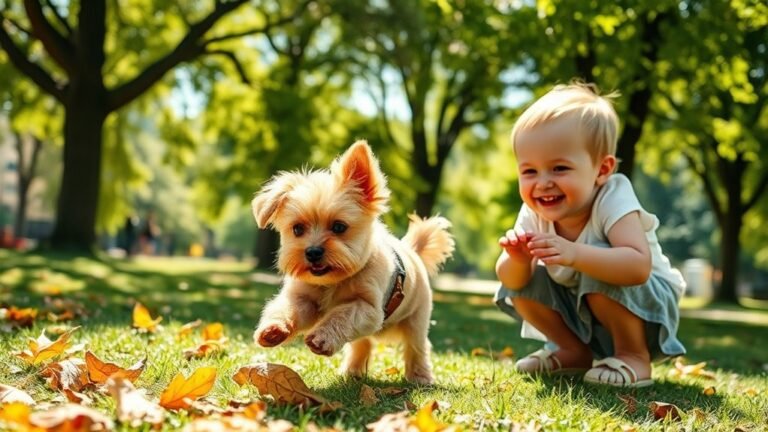
First, the Papillon is small and energetic. They love to play and are very friendly. This makes them great companions for families and individuals alike.
Next, Papillons need regular exercise. A daily walk or playtime in the yard is fun for them and keeps them healthy. They also enjoy mental challenges, like puzzles or training games.
Grooming is important too. Their long, silky fur needs brushing to prevent tangles. Regular dental care will also keep their smile bright and healthy.
In summary, a Papillon Toy Spaniel can bring a lot of joy to your life. They are lively and loving, but require attention and care. If you are ready for a playful friend, a Papillon might be a perfect match for you!
Key Takeaways
The Papillon comes from France. This little dog was loved by kings and queens. It stands between 8 to 11 inches tall and has cute, butterfly-like ears.
Papillons are cheerful and loving dogs. They make great friends for families. They love to play and need at least 30 minutes of exercise each day. A fun game like fetch makes them happy!
Like all dogs, Papillons can have some health problems. They might have issues with their teeth or allergies. That's why it's important to take them to the vet regularly.
Papillons are not only charming but also full of life! They bring joy and love to any home.
Origin and History of the Papillon Toy Spaniel
The Papillon Toy Spaniel is a small dog with big, butterfly-like ears. This breed has a long history that goes back several hundred years. It started in France and was a favorite pet of kings and queens in the 16th and 17th centuries.
People loved their friendly nature and smart brains, so they worked hard to make these traits even better. These elegant little dogs were often seen lounging on the laps of royalty. They weren't just pets; they were part of high society.
Having a Papillon showed you'd style and a good companion.
Today, the Papillon is still loved by many people. They're playful and loyal friends, bringing joy to those who welcome them into their homes.
Whether you need a cuddle buddy or a fun playmate, the Papillon is always there to brighten your day.
Physical Characteristics
Papillons are special dogs with a royal background. They're small, standing about 8 to 11 inches tall. This size makes them fit well in different homes. They've a light but strong body, which helps them move quickly and play happily.
One of their coolest features is their ears. They've huge, fluffy ears that look like butterfly wings. That's why they're called "Papillon," which means butterfly in French.
Their coats come in many colors like white, black, lemon, and sable. Some Papillons even have unique spots or patterns that make them even more interesting to look at. Their fur is soft and shiny, but it needs regular brushing to keep it pretty.
With their great looks and joyful nature, Papillons are a popular choice for dog lovers everywhere!
Temperament and Personality
Papillons are lively and loving dogs. They make great friends for everyone in the family. Their playful nature keeps things fun at home. These dogs love to be around people and form strong bonds with them.
Papillons are smart and learn quickly. They want to make you happy. When you're feeling down, they can sense it and offer comfort with a nuzzle or a wagging tail. They fit into many different homes, whether you have a busy family or a quiet one.
Choosing a Papillon means adding a playful spirit to your life. They bring joy, warmth, and loyalty to your everyday moments.
Exercise and Activity Needs
Papillons are energetic little dogs. They need regular exercise to stay happy and healthy.
To keep your Papillon active, set up playtime routines. This is a mix of fun activities that use both their brains and bodies. Outdoor games like fetch or agility training are great. These activities help them stay fit and also bring you closer together.
Aim for at least 30 minutes of play each day. You can break this up into smaller times throughout the day. This way, your Papillon will stay excited to play.
Remember, they love being around people. Take them with you on family outings or walks in nature.
Grooming Requirements
Papillons have beautiful fur that needs regular care. To keep their coat healthy, you'll need some basic grooming tools. These include a slicker brush, a comb, and a pair of scissors.
Aim to brush your Papillon two to three times a week. This helps stop tangles and mats, especially around the ears and paws.
Brushing also removes loose hair and dirt, which is good for their skin. You should give your dog a bath every few months or when they get dirty. Use a gentle dog shampoo for this.
Creating a grooming routine is important. It helps your Papillon look nice and it also strengthens your bond. Grooming time can turn into a fun and enjoyable experience for both of you!
Training and Socialization
Training your Papillon can be a fun and rewarding journey. These little dogs are smart and eager to please. To help them learn, you should start with basic obedience training. This helps your Papillon follow commands and makes them well-behaved.
Using positive reinforcement, like treats and praise, encourages your dog to learn. It's a great way to keep their interest and make training enjoyable for both of you.
You also need to give your Papillon plenty of chances to meet different people, visit new places, and interact with other pets. This helps them become more confident and social. If they experience various situations, they're less likely to become scared or anxious.
Consider enrolling your Papillon in a puppy class. Here, they can play with other puppies while learning good behaviors. This is a perfect way to boost their skills and help them make friends.
Health Considerations
To help your Papillon live a long and happy life, it's important to know about some common health issues that can affect this breed.
Regular check-ups with the vet and good care at home can lower these risks.
Here are some health concerns to keep an eye on:
- Dental Problems: Papillons can have issues with their teeth. They might get cavities or gum disease.
- Patellar Luxation: This is when the kneecap slips out of place. It's a common problem in small dogs like Papillons.
- Allergies: Many Papillons have allergies that can lead to skin or ear problems.
- Heart Issues: Older Papillons can face heart problems, such as mitral valve disease.
Ideal Living Conditions
A happy home is important for your Papillon dog. These small dogs can live in apartments if they get regular exercise and playtime. They're playful and make great friends for families, fitting into many different homes.
You should make a safe and cozy space for your Papillon to explore and have fun. Think about setting up an area for their toys and a comfy spot for resting. This helps them feel at home.
It's also good to let them meet kids and other pets when they're young. This helps them get along with everyone. Creating a fun and loving environment will keep your Papillon healthy and happy.
Frequently Asked Questions
How Long Do Papillon Toy Spaniels Typically Live?
Papillon Toy Spaniels usually live between 12 to 15 years. How long they live can depend on their genes, care, and any health problems they might have. Taking them to the vet regularly and giving them good food can help them live longer and stay healthy. These little dogs are full of energy and love, making them great companions for many years!
Are Papillons Hypoallergenic Dogs?
Papillons are not hypoallergenic dogs. They do shed less fur than many other breeds, which can help people who have allergies. If you have allergies, regular grooming can further reduce the amount of hair they shed. This makes Papillons a good choice for allergy sufferers who still want a furry friend.
What Is the Average Cost of a Papillon Puppy?
The cost of a Papillon puppy is usually between $1,000 and $3,000. This price can change based on how good the breeder is and the puppy's family history. When you get a puppy, it's important to invest time in training. Good training helps your puppy behave well and fit nicely into your life. It's a big part of making sure your new friend is happy and healthy!
Do Papillons Get Along With Other Pets?
Yes, Papillons usually get along well with other pets. They are playful and friendly, which helps them make good friends with other animals. If you introduce them properly to new pets, you will likely see them enjoy each other's company. With a little time and care, your Papillon can live happily with other pets in your home.
What Is the Best Diet for a Papillon?
For the best diet for your Papillon, choose high-quality dog food. Look for food that has balanced proteins, healthy fats, and essential vitamins. This will help keep your dog full of energy and healthy. A good diet will make sure your Papillon feels great and thrives. Remember to always check the ingredients to keep your furry friend happy and healthy!