Dogs Care

  • 10 Tips for Pomeranian Longevity

    Do you want your Pomeranian to live a long and happy life? There are a few important things to think about. Things like what they eat, how much they exercise, and regular trips to the vet all matter a lot. Knowing these things can help your furry friend be healthier and happier. Want to learn how to improve your Pomeranian’s life? Here are ten easy tips that can make a big difference.

  • 10 Signs Your Dog Is in Pain

    As a dog owner, you might notice little changes in your dog’s behavior that show they might be in pain. It’s important to catch these signs early. If you ignore them, it could mean bigger health problems for your furry friend. From not eating as much to making noises when they move, these signs can be easy to miss. Knowing what to look for can help you get your dog the care they need quickly. Let’s talk about the signs that might mean your dog is hurting.

  • Foods That Cause Stomach Aches in Dogs

    Dogs can’t eat all human foods. Some can make them feel sick. Dairy products can upset their tummies, especially if they can’t digest lactose well. Rich or fatty foods can cause pancreatitis, which is a serious problem. Knowing which foods are bad for dogs helps keep them healthy. Here are some foods to watch out for: 1. **Chocolate** – This is toxic for dogs and can cause serious health issues. 2. **Onions and Garlic** – These can damage a dog’s red blood cells. 3. **Grapes and Raisins** – Even a small amount can lead to kidney failure. 4. **Avocado** – It can be harmful to dogs due to a substance called persin. 5. **Nuts** – Certain nuts, like macadamias, are dangerous for dogs. Be careful with treats and table scraps. Always check if a food is safe before letting your dog eat it. Keeping your furry friend safe means keeping them happy too!

  • 10 Stomach Ache Symptoms in Dogs

    When your dog isn’t feeling well, it’s important to spot the signs of a tummy ache. You might see them stop eating, throw up, or have diarrhea. But there are other signs that your dog may not feel good in their stomach. Knowing what to look for can help you take better care of them. Let’s look at some common symptoms that can show your dog is uncomfortable. 1. **Loss of Appetite**: If your dog doesn’t want to eat their food, it could mean something’s wrong. 2. **Vomiting**: If your dog throws up, it’s a clear sign they might have an upset stomach. 3. **Diarrhea**: Loose stools can indicate stomach issues. 4. **Lethargy**: If your dog seems tired and doesn’t want to play, they may be in discomfort. 5. **Whining or Barking**: A change in their vocal sounds could mean they’re feeling unwell. 6. **Abdominal Pain**: If your dog keeps licking their belly or seems sensitive when you touch them there, they might be hurting. 7. **Excessive Drooling**: Drooling more than usual can be a sign of nausea. 8. **Distended Abdomen**: A swollen belly might mean something is wrong. 9. **Changes in Behavior**: If your dog is acting differently than normal, they may be feeling bad. 10. **Avoidance of Movement**: If your dog doesn’t want to walk or play, they could be uncomfortable. If you notice any of these signs, it’s a good idea to call your vet. Taking action early can help your dog feel better faster!

  • 10 Tips for Caring for a Doberman Pinscher

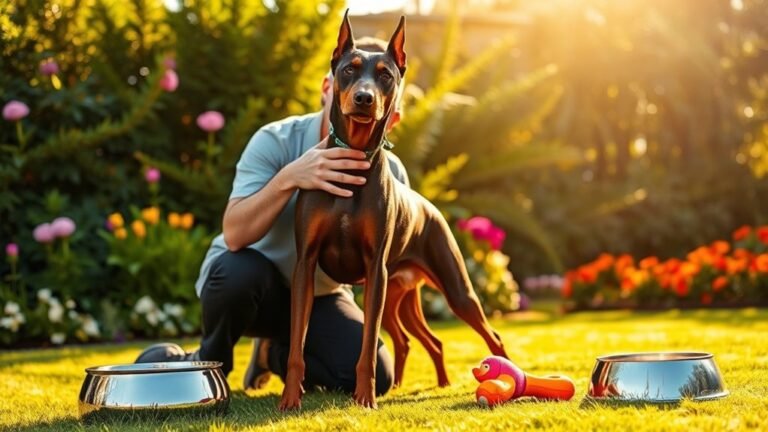
    Caring for a Doberman Pinscher is about knowing what they need. These dogs require training, exercise, and socializing early on. They love to stay active and enjoy spending time with people. When you focus on their health and happiness, you build a strong friendship. Here are some important tips to help you take great care of your Doberman. 1. **Start Training Early**: Begin training your Doberman when they are a puppy. This helps them learn good behavior and build trust with you. 2. **Exercise Regularly**: Dobermans have lots of energy. Make sure you take them for walks or play with them every day to keep them fit and happy. 3. **Socialize**: Introduce your Doberman to different people and animals. This helps them become friendly and well-adjusted. 4. **Mental Stimulation**: Give your dog toys that challenge their minds. Puzzle toys or training games are great options. 5. **Healthy Diet**: Feed your Doberman high-quality dog food. Proper nutrition supports their growth and energy levels. 6. **Regular Vet Visits**: Take your dog to the vet for check-ups and vaccinations. This keeps them healthy and prevents sickness. 7. **Grooming**: Brush your Doberman’s coat regularly to keep it shiny and clean. It also allows you to check for any skin issues. 8. **Hydration**: Ensure your dog has access to fresh water at all times. Staying hydrated is important for their health. 9. **Create a Routine**: Dogs thrive on routine. Set regular times for feeding, walks, and playtime. 10. **Show Love**: Spend quality time with your Doberman. They love attention and affection from their families. By following these tips, you can give your Doberman Pinscher the care they deserve. With time and effort, you will create a strong bond and enjoy many happy moments together.

  • 10 Warning Signs You Need a New Vet

    Choosing the right vet for your pet is very important. Sometimes things don’t go as planned. If you see problems like poor communication or a messy clinic, it may be time to rethink your vet. If your appointments feel rushed, the staff seems unconcerned, or you get confusing information about treatments, you might feel confused and worried. Don’t overlook these warning signs. Your pet’s health is too important. Here are some other signs to watch for:

  • 10 Must-Know Bulldog Tips for First-Timers

    Bringing a bulldog home is fun but also comes with responsibilities. You need to know about their friendly but stubborn personality. This knowledge helps you connect better with your new pet. There are important things to learn about their health care, grooming, and making your home cozy for them. Let’s go over some key tips that every first-time bulldog owner should know. What is the first thing to think about as you start this exciting journey?

  • How to Handle Winter Skin Allergies in Dogs

    When winter comes, your dog might get skin allergies, just like some people do. It’s important to watch for signs that your dog is uncomfortable and figure out what might be causing it at home. During winter, the air gets drier, which can make skin problems worse. But you can help your dog feel better by taking a few simple steps. First, know the signs of winter skin allergies. Look for red or itchy skin, spots, or excessive scratching. These might mean your dog is having a reaction. Next, think about what could be irritating your dog. Things like dry air and indoor allergens can make it harder for your dog’s skin to stay healthy. You can take action to prevent these issues. Keep your home humid, especially in the winter. A humidifier can add some moisture to the air. Give your dog regular baths with a gentle shampoo made for sensitive skin. This can help remove dirt and allergens. Also, make sure your dog is eating healthy food that supports skin health. Pay attention to your dog and check their skin often. If you notice any big changes or if your dog seems very uncomfortable, talk to your vet. They can help you find the best way to keep your dog’s skin healthy this winter.

  • 10 Dog Health Myths to Stop Believing

    As a dog owner, it’s easy to believe things that aren’t true. For example, some people think a warm nose means a dog is sick. Others believe a big dog just means a happy dog. These myths can lead to bad choices about food and exercise for your pet. It’s important to know the facts so you can take good care of your dog. Let’s look at some of the biggest dog health myths. Understanding these can help keep your furry friend healthy and happy.